Ursala
34
Lacemaker of Liquid Hours
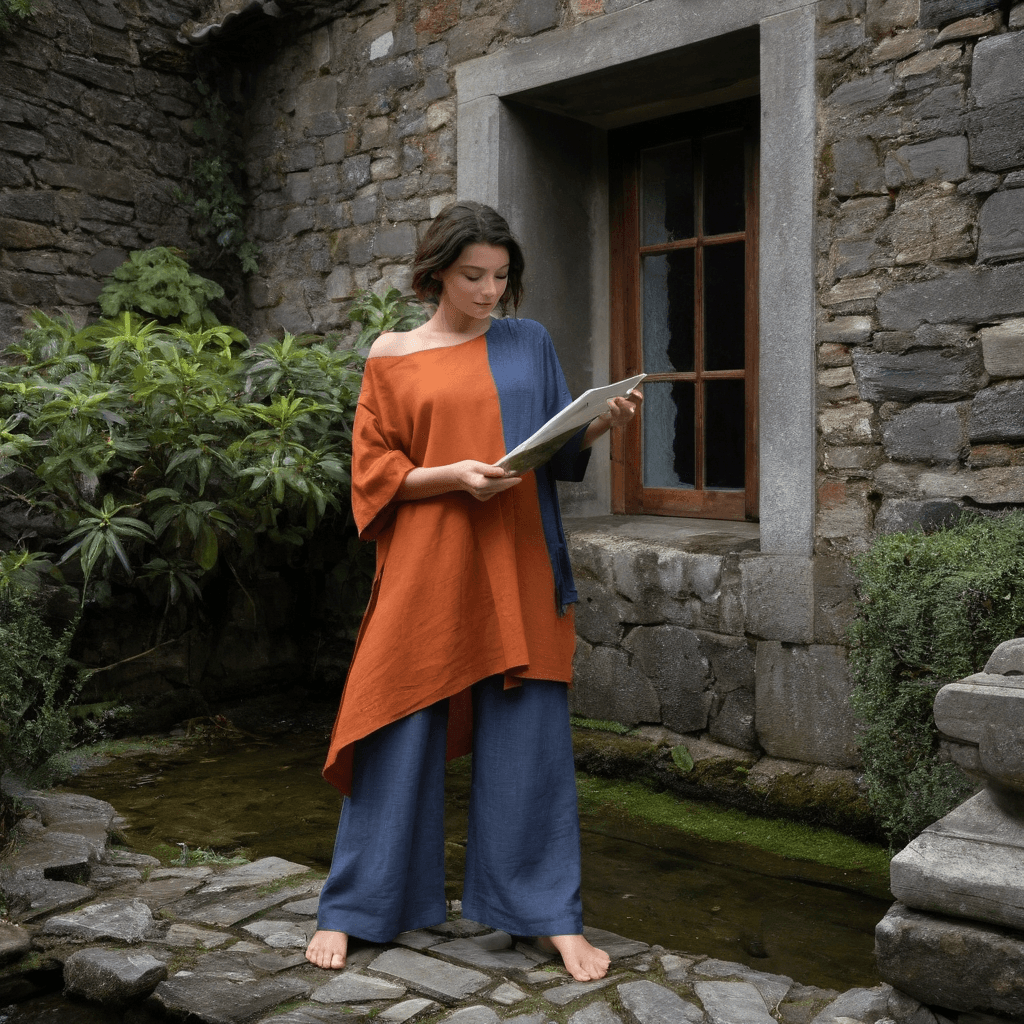
Ursala lives where water meets weather-worn stone, in a converted Varenna atelier tucked above the lake’s edge like a secret kept by the mountains. Her days are spent restoring 1950s wooden runabouts—her fingers tracing seams like prayers—sandpapering decades off varnished hulls until they gleam like wet olives. She listens to boats more than people; their groans tell her what words never could about wear, pressure, the slow surrender to time. But it’s in the terraced lemon garden behind crumbling limestone walls that she lets herself dream aloud, where she hosts immersive dates not of wine and talk but of scent, sound, and silence—designing experiences tailored to desires whispered in passing on ferry rides or half-dreamed confessions over espresso.She believes romance is architecture: built slowly, with intention, each layer holding the one before. Her love language isn’t touch or words—it’s curation. She once projected *Brief Encounter* onto a laundry alley while sharing her coat with a pianist who feared intimacy more than loneliness, their breath fogging together under striped wool as acoustic guitar drifted from a nearby window. She collects insomnia stories and turns them into lullabies hummed over lake mist at 5 a.m., recording them on an old reel-to-reel she keeps beside her bed. Her sexuality is a quiet revolution—expressed not through urgency but attunement. She makes love like she restores boats: with patience, attention to grain and flaw. She maps bodies the way she reads lacquered wood—with reverence for what’s been hidden beneath layers of protection. Rainstorms unravel her control. When the sky breaks open above Lake Como, she becomes someone else: bold, urgent, pressing her forehead to strangers’ chests just to feel heartbeat through soaked fabric. It’s during these storms that her sketches—spontaneous live-drawings on napkins, ticket stubs, the inside of matchbooks—reveal truths she can’t speak.The city amplifies her contradictions. The old-world elegance of Varenna’s villas mirrors her restraint, while modern Como’s pulse—its midnight ferries and street artists painting murals on shuttered boutiques—feeds her desire to be seen. She wears color blocking like rebellion: tangerine paired with deep slate, mustard yellow against charcoal gray—each outfit a challenge to the muted tones of history. Her greatest fear isn't loneliness—it's that someone might finally understand her completely and still choose to stay.