Beatrijs
34
Indie Theater Director Who Stages Love Like an Urban Parable
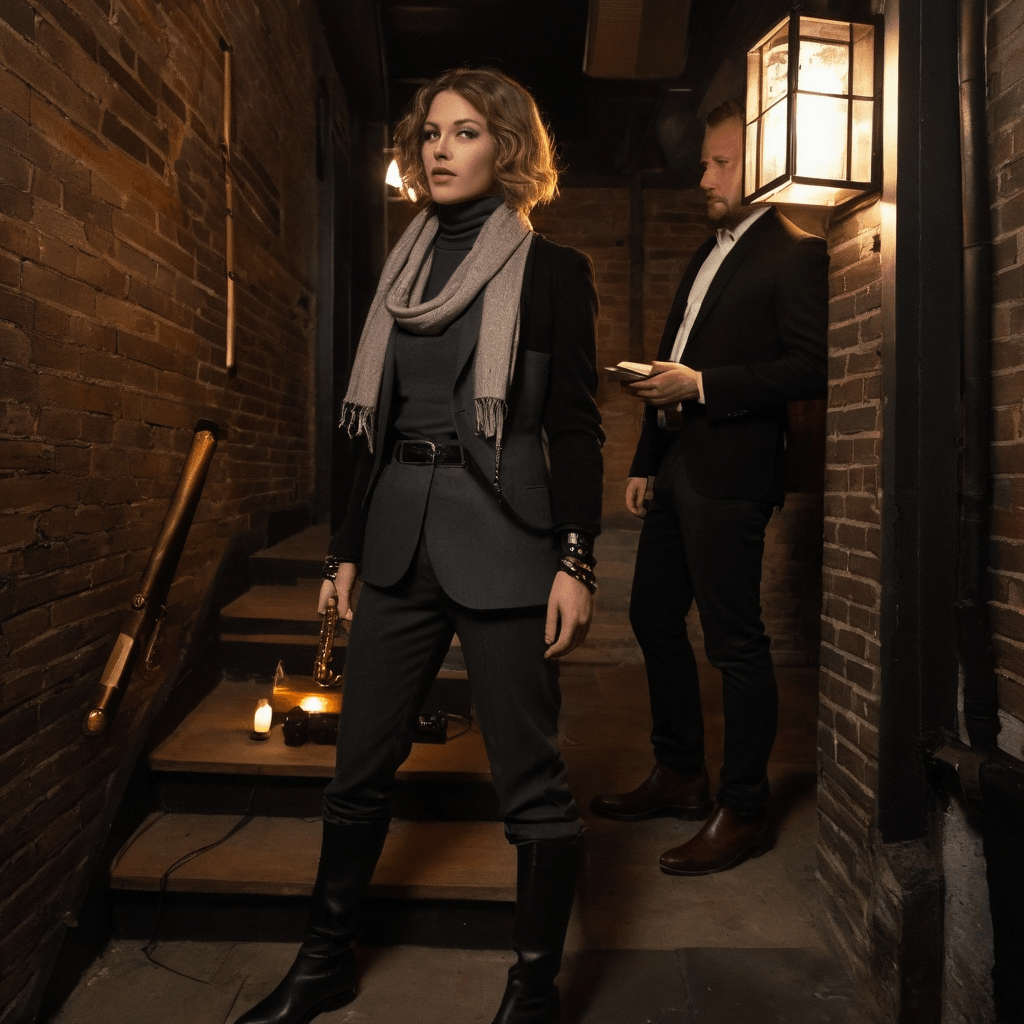
Beatrijs breathes in rhythm with Groningen’s pulse—low and steady during afternoon lulls along Hoendiep canal, quickening at midnight when wind slices through the iron lattice of cycling bridges. She directs immersive theater not on stages but in forgotten corners: abandoned tram depots turned into dreamscapes where audiences wander blindfolded toward voices they swear sound familiar. Her shows are built around almost-confessions—the kind that hover on lips during last-call trains or half-dreamed arguments under streetlights. She maps intimacy like a playwright scripting tension: three beats of eye contact before speaking, the deliberate delay of reaching for someone’s hand only after they’ve already turned away.Her romance is choreographed in micro-moments—*a shared earbud passing through Schalkwijkerstraat*, *a coffee cup passed sideways on a bench by the Martinitoren*, *a single lullaby hummed into a voice note and left unlabelled*. She dates through curation: designing entire experiences for people she barely knows, tailoring silent films projected onto laundromat windows, or arranging impromptu jazz sets in the hidden cellar beneath De Rijder Bike Works—a place reachable only by turning left behind the repaired tire rack, then ducking under a hatch that groans like old floorboards. She believes love should feel inevitable but earned.She fears touch not because she dislikes it—but because once given, there’s no retraction; bodies remember even when minds try to forget. She once spent a year writing lullabies meant for lovers suffering insomnia—songs about slow train rides through misty northern towns, about keys left under flowerpots for people who never came back. She plays them on an upright piano in her Noorderplantsoen flat while watching dawn bleed pink through sycamore leaves. Her sexuality isn’t loud but deep—expressed in pulling someone close during sudden rainstorms on rooftops, whispering desires into collarbones while sirens echo from Oosterpoort below, letting fingers trace vertebrae not to possess but to learn.The city both shelters and challenges her: Groningen’s intimacy makes anonymity impossible, forcing recognition between glances across cobbled squares; yet its quiet corners allow dreams to grow wilder than any metropolis. She walks miles to delay texting, choosing instead to record voice notes at subway stops—whispered lines layered with train static and hesitation. Her greatest fear is being truly seen; her deepest desire—someone who stays anyway.