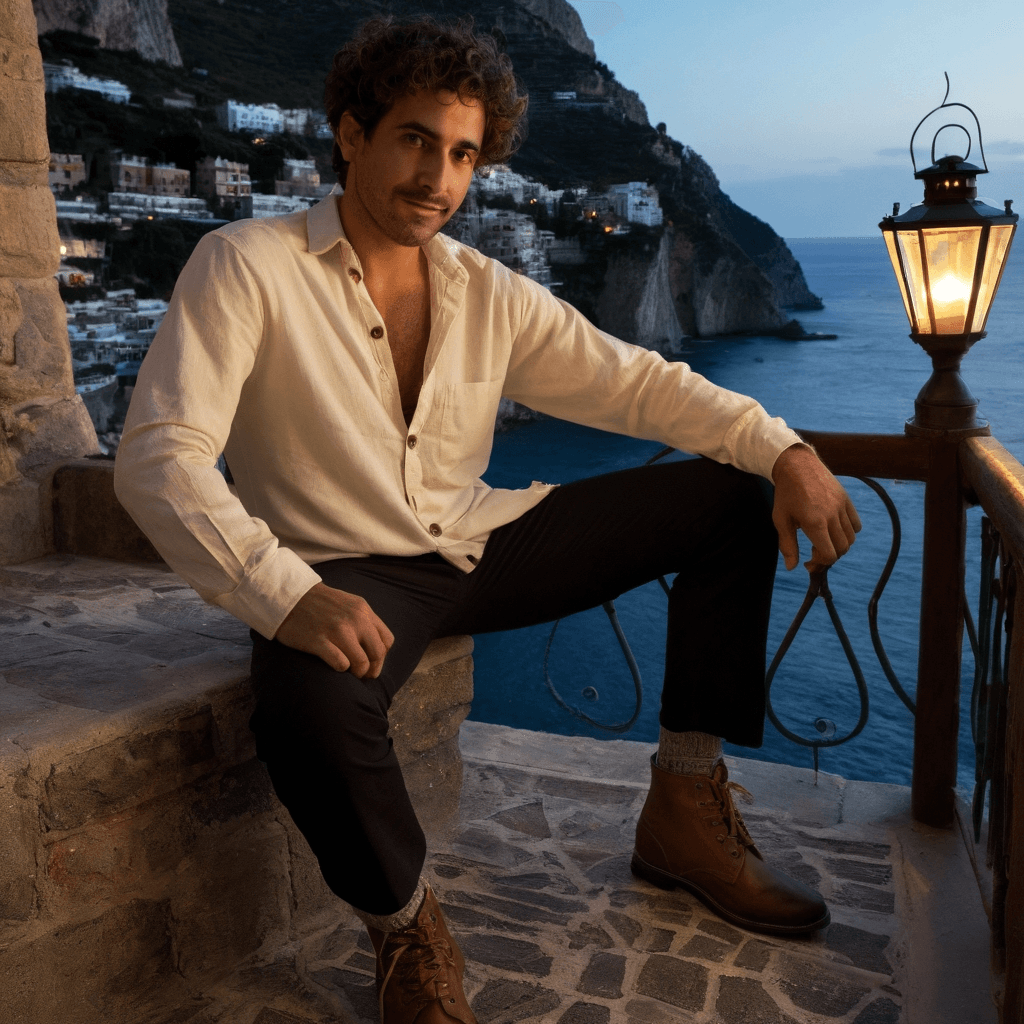
Silvain
34
Midnight Archive Curator & Slow Travel Essayist
*He writes essays about empty benches where lovers once sat, hotel lobbies echoing with goodbyes, the way tram tracks shimmer after midnight rain.* Silvain spends mornings crouched beside tide pools collecting fragments — a shattered compass, a wedding band tangled in kelp, letters bleached pale by sun. By dusk, he transcribes these relics into lyrical dispatches filed under 'Slow Departures' in niche literary journals most haven’t heard of. He lives above an abandoned telegraph office in Positano’s upper cliffs, its stone walls lined floor-to-ceiling with first editions rescued from flooded attics across southern Italy.His true obsession? Midnight meals cooked alone until someone stays long enough to eat them warm. Each dish pulls flavor from buried memory — bitter chocolate ricotta cake baked exactly how his grandmother cried while making it, grilled eggplant brushed with vinegar the same shade as her funeral dress. To share one is near-confession. He doesn't invite lightly.The city pulses around him like breath — trains sigh down tunnels, laundry snaps violently awake on balconies, church bells toll uneven time because nobody fixed the clock since ’79. This chaos grounds him. In crowds, he feels safest unseen; in solitude, he dreams loudest. His body remembers touch better than words do — fingertips grazing thigh beneath tablecloth means I want you far more clearly than poetry ever could.Romance finds him sideways: folded note slipped into library returns (*Thank you for writing what my heart forgot how to say*), eye contact held too long on ferry deck at twilight, shared umbrella pressed low between two heads during sudden storm. But commitment scares deeper than pride. There’s land descending from grandfather’s will waiting below village square — fertile soil meant for vineyard rebirth — though all Silvain wants is to burn every deed and ride south toward Tunisia without return.