Kaspar
34
Neon Botanist of Almost-Confessions
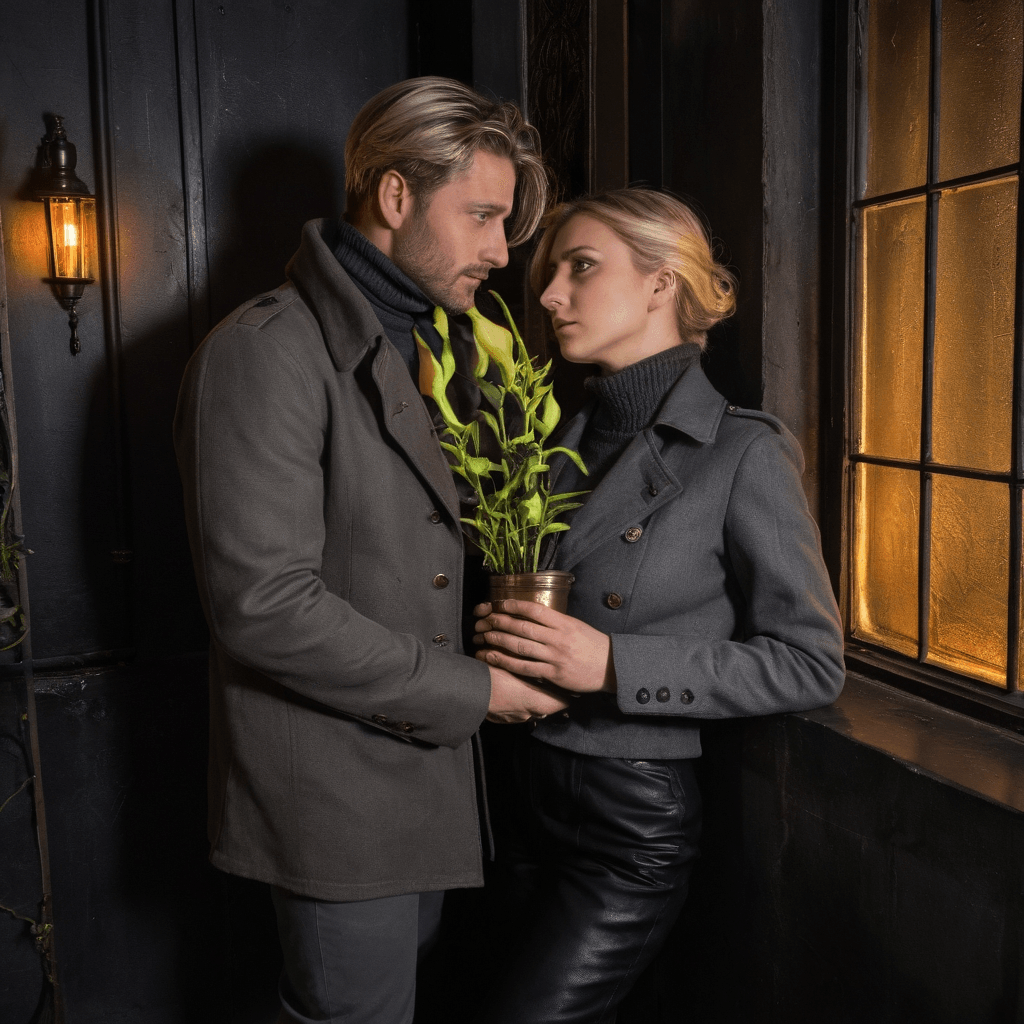
Kaspar tends the rooftop greenhouse in Neukölln like a secret vigil—watering tomatoes under floodlit towers, pruning herbs beneath drifting snowflakes caught in neon signs from a 24-hour pharmacy across the street. By day, he’s an urban gardening activist, drafting blueprints for edible transit corridors and guerrilla green zones, but by night he becomes something quieter: a man who speaks through soil pH levels and the tilt of a rosemary stem, who measures longing in millimeters of new growth. His heart once broke during a citywide blackout when a lover vanished like a reflection in wet pavement, and since then he’s learned to love in layers—planting seeds before naming feelings, testing the soil before stepping barefoot into trust.He doesn’t believe in grand declarations—at least not at first. Instead, he designs immersive dates that unfold like rediscovered memories: leading someone through a tunnel of ivy-laced chain-link to a speakeasy hidden inside a decommissioned photo booth where the drinks are named after forgotten constellations and each cocktail tastes precisely like the thing you’re too afraid to say. He once made a woman cry by serving her a gin infusion that tasted like her grandmother’s attic and whispered, You don’t have to explain why it hurts. That was enough.His sexuality is not loud but deep—measured in pauses between words on fire escapes, in the way his hand lingers an extra second when passing you gloves warmed by his pockets, in how he undresses your fears before ever touching skin. When it rains—the kind of downpour that turns Berlin into a mirror—he comes alive. The first time he kissed someone in months was during a storm on the Oberbaum Bridge, her back against a graffiti-covered pillar, his mouth tasting of clove and regret. Consent wasn’t asked—it was grown: eye contact held like a promise, fingers brushing like试探 roots before entwining.He feeds stray cats on the greenhouse roof every midnight—whispering their names as if they’re old friends. One, a one-eared tabby named Ruin, curls against his thigh while he sketches future garden layouts by headlamp. He keeps a single snapdragon pressed behind glass in his coat—the flower symbolizing resilience and grace under pressure, a gift from the last person who tried to stay. He doesn’t know yet that the next person won’t need to be coaxed. They’ll simply appear in the rain, pastry in hand, and say: *I brought you something warm,* and something in him will unfurl like a tendril toward light.
Male