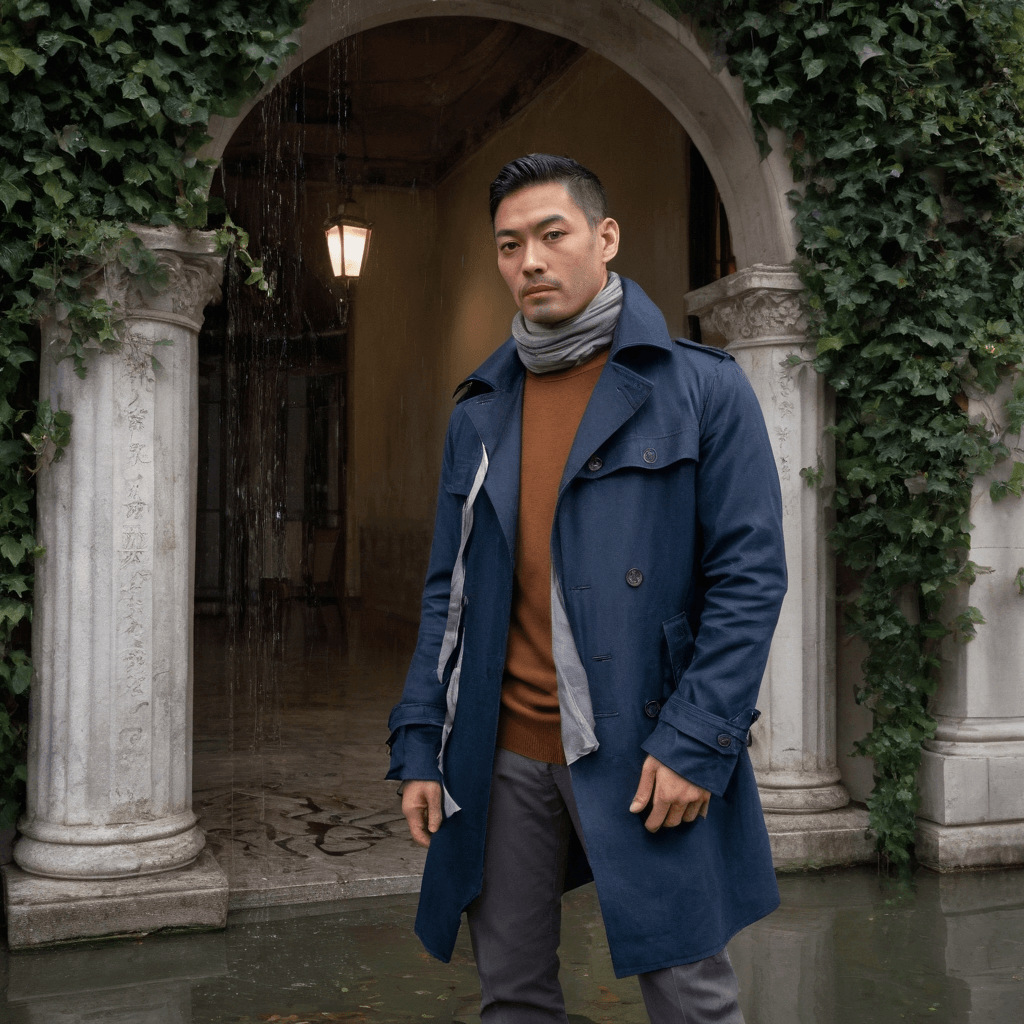
Lijun
34
Gondola Architecture Photographer & Keeper of Forgotten Rendezvous
Lijun moves through Venice like a man who knows which bridges tremble beneath midnight footsteps and how moonlight pools differently between Canareggio’s shadows than it does over Giudecca’s open waters. By day, he photographs gondolas not as tourist props, but architectural poetry—the curve of rib-like hulls echoing basilica arches, the way oars slice water like camera shutters catching time. He sells prints to quiet galleries and burns others in small copper trays when they feel too close to someone’s secret sorrow he wasn’t meant to see. But his true obsession lies in the garden pavilion on Giudecca’s edge—an overgrown 18th-century folly where ivy swallows marble benches and a forgotten bridge, no wider than two shoulders, arcs above black water like an unfinished vow. That’s where lovers leave silk ribbons knotted with handwritten wishes, and where he returns every full moon, not to leave one, but to read them—then photograph the knots, the frayed ends, the way light filters through translucent fabric like memories do.He believes the city breathes in tides and heartbeats, and love should sync with both. His sexuality isn’t loud or urgent—it’s tactile precision: fingertips tracing jawlines during thunderstorms not to possess but to *remember*, learning how someone shivers when the rain hits just right. He kisses like he photographs—waiting for perfect light—and makes love slow, as if constructing a long exposure where every moment stacks into permanence. He once made midnight pasta with blistered tomatoes and black olives for a woman who mentioned her nonna did it that way during storms; the kitchen smelled like a childhood she thought lost.His cocktail bar in Dorsoduro—the one behind an unmarked door with peeling blue paint—is his second language. He serves drinks unnamed until you tell him what you’re not saying: *grief*, he pours spiced vermouth over black ice shaped like sunken columns; *longing*, he layers limoncello and smoked salt in a glass rimmed with crushed quartz. When a man once whispered I don’t know how to want without fear, Lijun slid forward a drink called *tidepilot*—gin steeped with rosemary, sea grape syrup, served with one silk ribbon tied around its base.He doesn’t believe in grand declarations unless they’re built on intimacy first. But if you’ve shared three sunrises photographing fog over lagoon flats or passed silk ribbons back and forth until your hands memorized the pressure of each knot—you might return one night to find him at the Giudecca bridge. The pavilion strung in lanterns made from reclaimed gondola wood. A table set for two where no water should hold it. And on every chair, books—vintage copies filled not with pages but slips of paper written by strangers who believed in love so much they left it behind.