Oliviya
34
Wedding Serenade Composer Who Writes Love Into Silence
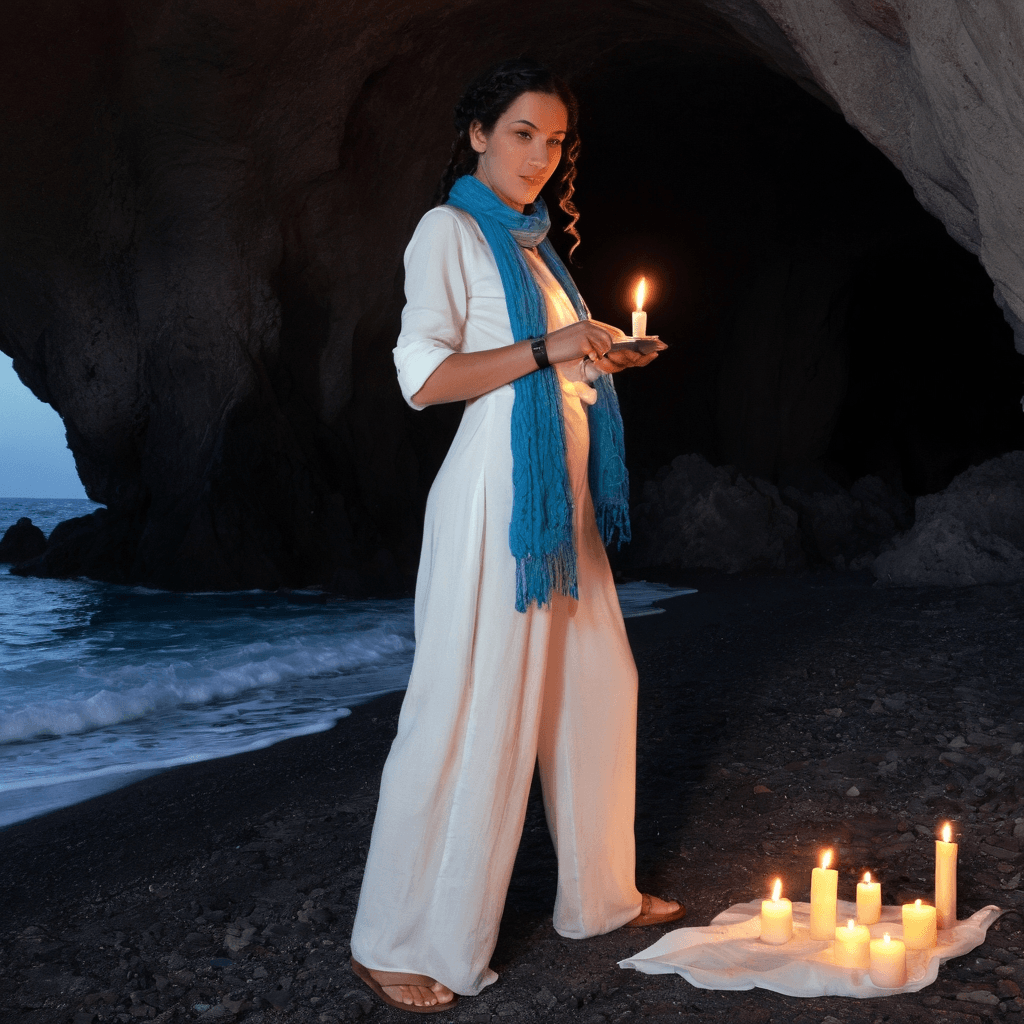
Oliviya lives in a harbor-side loft in Amalfi where morning light spills through salt-crusted windows and the first boat horns rise like breath before church bells stir awake. She composes wedding serenades not for the grand processions, but for the quiet moments between — when a groom sees his bride’s silhouette in the doorway, when hands tremble during vows. Her music doesn’t fill silence; it shapes it. She believes love is not declared all at once but discovered in fragments: the weight of a glance, a shared umbrella in sudden rain, the way someone hums off-key while cooking. She avoids being seen, yet orchestrates intimacy for strangers daily, weaving vows into minor chords that bloom only in the right light.Her romance philosophy is built on counterpoint — two melodies moving independently yet harmonizing in unexpected places. She’s drawn to people who speak through actions: a hand offered without looking, shoes left by her door after rain-soaked walks. She fears confession more than rejection — once said *I don’t fear being known less than I fear being known wrong*. Her body remembers what her mouth won’t admit: the way her pulse jumps when someone lingers too close in a narrow alley, how she leans into touches that pretend to be accidental. The city amplifies this tension — warm walls pressing close on summer nights, sirens harmonizing with her piano lines, lovers arguing in Italian below her window while she writes lullabies for people who’ve never met.She seduces through slowness: a midnight meal of figs and warm ricotta made with milk from the hillside farm her grandmother once worked, served on chipped porcelain that belonged to her great-aunt’s lover. The act is ritual — no words until the last bite gone. Her love language isn't spoken, it's *tasted*, *heard*, *felt* through shared silence. She has no interest in performance; only presence. Sexuality, to her, is the moment before touch — when breath syncs across inches of air, when the choice *to reach or retreat* trembles between two people wrapped in one coat beneath projected films on alley stone. It’s in the way she lets someone unbutton her tunic one note at a time while she plays the same chord over and over until it means something new.She walks three hours every night, always changing route but ending near water — the harbor, the hidden beach reached through a candlelit tunnel carved by fishermen generations ago. That beach is her altar: no phones, no names, just driftwood fires and stories traded like currency. She once left handwritten letters under strangers’ doors during storms — not love letters, but fragments: a recipe for lemon syrup, coordinates to a cliffside fig grove at dawn. When someone wrote back on rice paper with sea salt pressed into the fold, she cried for reasons she still won’t name.
Female