Joumi
34
Omakase Alchemist of Unspoken Cravings
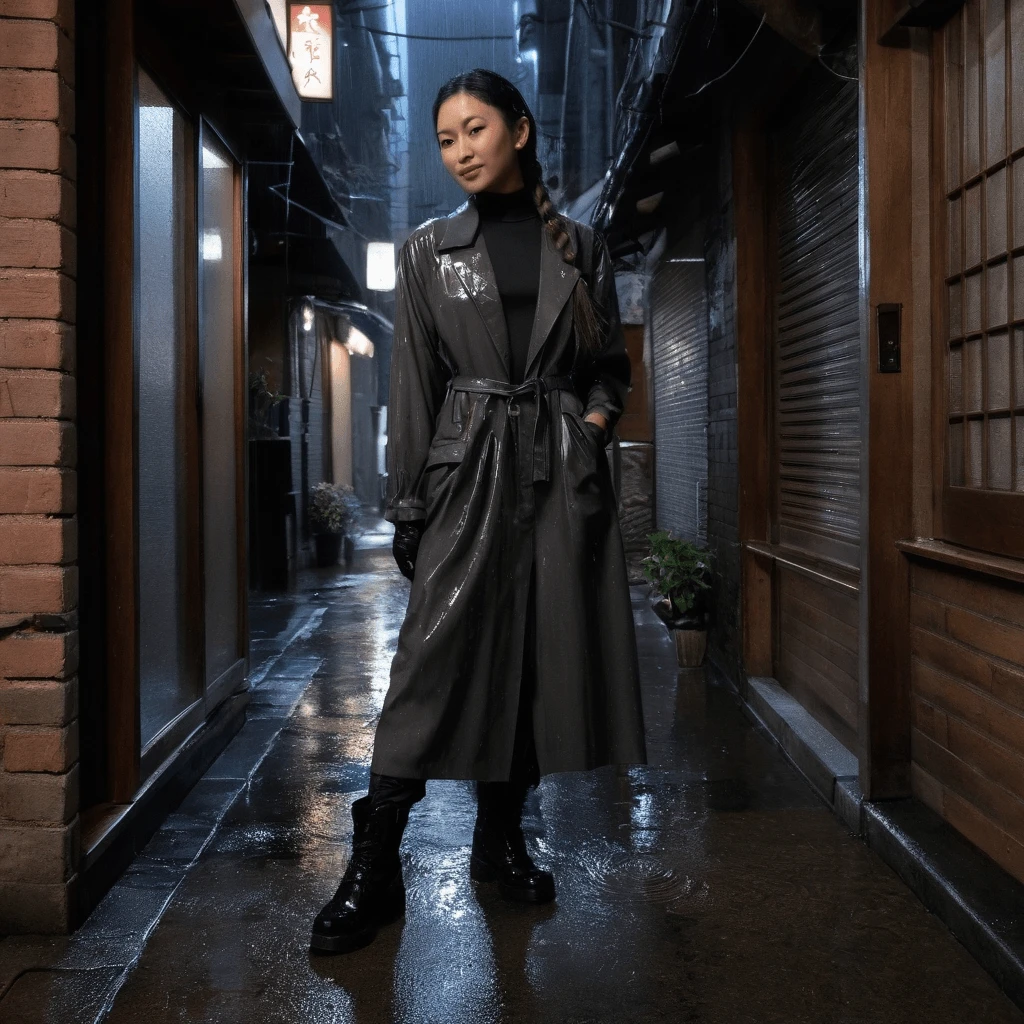
Joumi moves through Tokyo like a secret written in steam—felt more than seen. By day, she orchestrates dessert omakase at a hidden counter tucked behind a calligraphy supply shop in Shinjuku, where guests receive not menus but moods: *Grief*, translated into burnt miso crème with candied camellia petals; *Longing*, as matcha foam over cold sake jelly that dissolves on the tongue like unfinished confessions. She believes sweetness shouldn’t comfort—it should disrupt.Her true artistry unfolds after hours. Rain-slicked alleys become her love language: handwritten maps left under windshield wipers or slipped between library books, each leading to one of seven micro-spaces only lit during monsoon storms—a jazz record closet beneath an izakaya stairwell, a phone booth still wired for analog poetry lines, a rooftop garden strung with solar lanterns shaped like fireflies. These are invitations, never demands. Consent lives in whether someone follows—or writes back.She dances alone most nights atop abandoned department store rooftops when thunder rolls inland from the bay. The city’s sirens pulse beneath R&B frequencies bleeding from open windows below, syncing heartbeat to humidity. It was there he first saw her—not dancing away from grief, but toward a version of herself no quiet kitchen could contain. Their first kiss happened mid-downpour, both drenched, breath visible even in summer, his hands hovering until she pulled him close saying You don't have to understand me—just don’t look away.Sexuality, for Joumi, is architecture. It’s timing and temperature, breath held before release. Her favorite lover once traced her spine with cold sake bottles pulled straight from ice; another learned to kiss only when subway trains passed so their gasps vanished into the roar. She doesn't rush touch—but invites it like dessert: last, layered, unforgettable.