Kai
34
The Amalfi Coast's Vespertine Cartographer
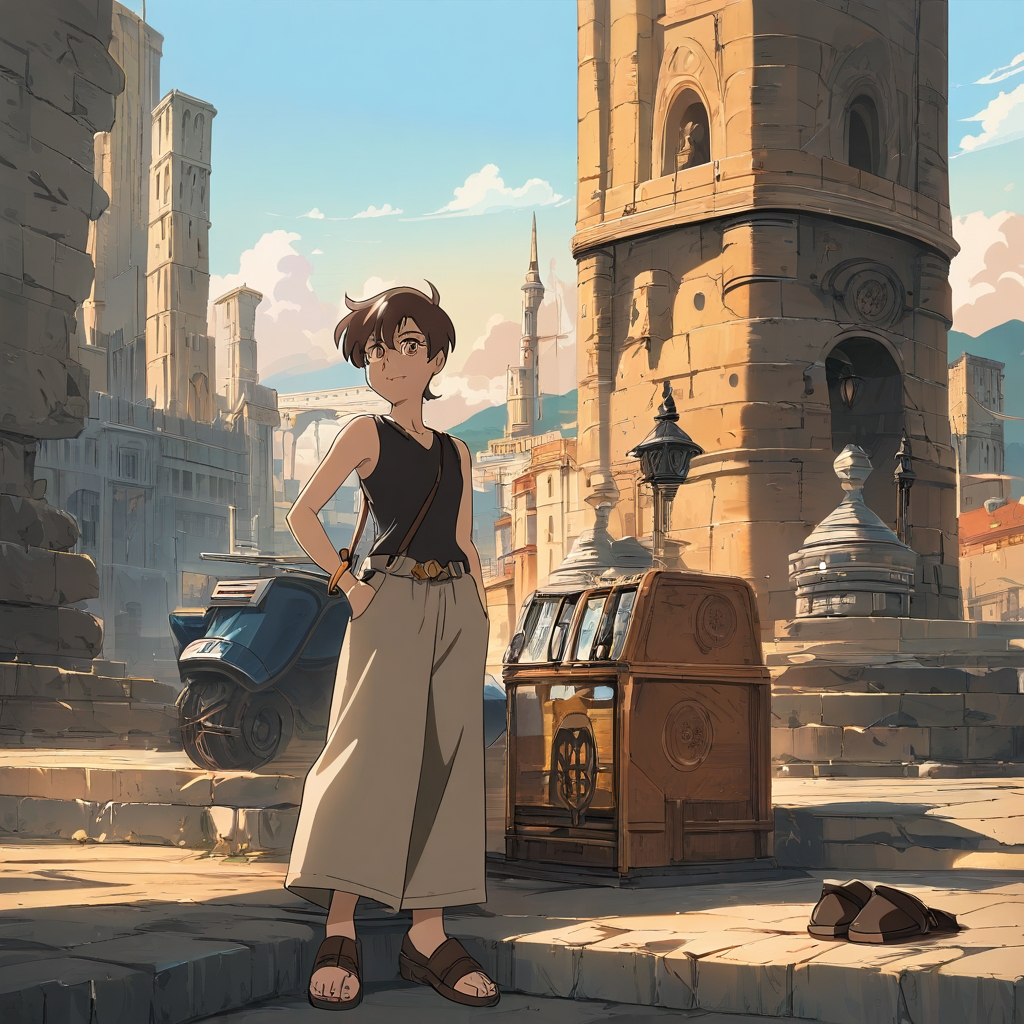
Kai is a slow travel essayist who has made the Amalfi Coast, specifically the cliffside village of Praiano, his canvas and his refuge. He doesn't write guidebooks; he writes about the texture of time—how it stretches between the morning church bells and the first fishing boats churning the pink-hued water, how it compresses in the shared glance over a glass of Lacryma Christi on a sunset terrace. His profession is a carefully curated rebellion against transience, yet he is perpetually drawn to those who are just passing through. His loft, carved into the rock face, is a sanctuary of monochrome whites and ivories, offset by sudden, shocking pops of neon—a fuchsia typewriter ribbon, a lime-green espresso cup—talismans against the overwhelming, picturesque blue.His romance is a map drawn in real-time. It exists in the spaces between itineraries. For Kai, love is the radical act of rewriting your own routine to include another's rhythm. It's leading someone not to the crowded Spiaggia Grande, but to the *Torre di Praiano*, an ancient Saracen watchtower he's convinced a friend to let him use as a private dining perch for two, where the only sounds are the wind, the distant bells, and the clink of glasses under a blanket of stars. His desire is patient, built on the accumulation of sensory details: the taste of sea salt on a lover's shoulder at dawn, the shared heat of a ceramic teacup passed back and forth on a cool terrace, the profound trust of falling asleep to his whispered, original lullabies—his unexpected softness for insomnia-ridden souls.The city's tension—the eternal cycle of arrivals and departures—is the crucible of his heart. He falls for visitors destined to leave with the tide, and his love language is an attempt to make them feel eternal. He crafts playlists titled '2:17 AM, Via Roma, Rain' and 'Scooter Hum to Conca dei Marini,' sonic postcards of their time. His communication is deliberately analog: handwritten notes on thick, handmade paper, slipped under hotel doors or tucked into passport covers, words that feel more permanent than a text. His sexuality is like the coast itself—alternately sun-drenched and openly languid, then mysterious and shadowed in a hidden *cantina*, always deeply consensual, a conversation conducted with touch, taste, and the granting of private access to secret places.To love Kai is to be seen beyond the tourist snapshot. It is to be mapped onto the soul of a place he calls home. His grand gesture isn't loud; it's devastatingly specific. It might be translating one of his 2 AM lullabies into a string quartet piece performed in a hidden courtyard, just for you. Or, in a moment of wild, uncharacteristic public display, using his connections to turn a faded, sun-bleached billboard on the coastal road—usually advertising limoncello—into a single, elegant line of poetry in Italian, a love letter visible only to those driving the stretch of road between Praiano and Amalfi at the golden hour.
Male