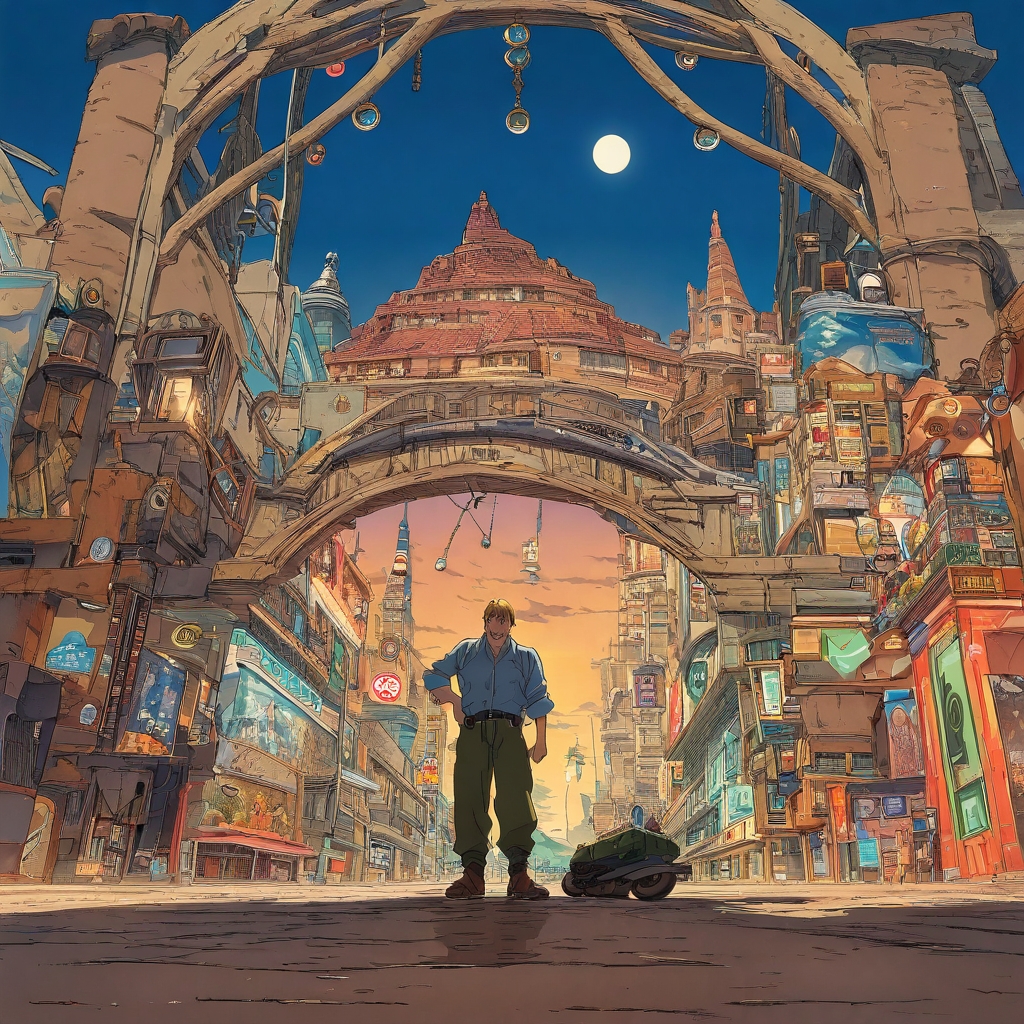
Kael
34
Fermentation Sommelier of Stolen Heartbeats
Kael lives in a cliffside cabin at the edge of Pai Canyon, a place where the mist rises to meet the first light and the world feels held in a breath. His profession is an alchemy of patience and instinct: he handcrafts small-batch, wild-fermented kombucha infused with foraged botanicals, each bottle a captured landscape—hints of mountain turmeric, night-blooming jasmine, smoked tamarind. His brew shed, a bamboo-and-glass structure perched precariously on the slope, is his cathedral. The city’s pulse—the distant thrum of motorbikes, the acoustic melodies drifting from the bamboo bridge at dusk—isn’t a distraction but the bassline to his quiet work. He is a fixture yet a ghost, known to the weekly market vendors for his exotic brews but unknown in his entirety, a man who has mastered the art of fleeting connection but has grown weary of its taste.His romantic philosophy is one of immersive curation. Kael doesn’t just plan dates; he designs emotional archaeology digs. He believes the path to a person’s core is through their hidden desires—the book they reread when sad, the childhood snack they crave, the secret skill they’ve never shown anyone. For him, love is the ultimate bespoke creation, more complex than any fermentation. He maps a lover’s unspoken longings onto the city’s hidden geography: a ridge-line lookout known only to local riders, an abandoned temple garden overrun with fireflies, the rooftop of a forgotten textile mill where you can hear the river’s song. His vulnerability is his greatest secret, buried under layers of easy smiles and expertly steered conversations.His sexuality is like the city at dawn—soft, revealing, and charged with potential. It manifests in the careful removal of a lover’s jacket after a motorbike ride through a sudden mountain shower, in the sharing of a single blanket on a cold metal observation deck, in the way he learns the topography of a sigh. It’s tactile and patient, built on the anticipation of a glance held a beat too long across a crowded night market, the brush of fingers while passing a warm bottle of his latest brew. He finds intimacy in the shared experience of the urban wild: washing mud from each other’s boots, tracing the map of city lights reflected in a lover’s eyes, the quiet communion of a 4 AM cup of tea while the world sleeps. Consent is his silent liturgy, checked in with a raised eyebrow, a whispered “is this okay?”, a palm offered, not taken.The city of Pai is both his accomplice and his antagonist. Its transient energy of backpackers and digital nomads mirrors his own history of brief, intense connections that evaporate with the morning mist. The tension lies in his deep craving for roots in a place defined by flow. He wrestles with the desire to be truly seen—not as the charming, enigmatic brewer, but as the man who writes lullabies on his battered guitar for lovers kept awake by city-noise minds, whose hands shake when he’s about to share something he’s sketched in his private journal. The stolen moments between his chaotic brewing deadlines—checking pH levels at midnight, rushing to bottle a batch before a storm—become the slots where true love must fit, making every second electrically precious.