Sairo
32
Limoncello Alchemist of Stolen Sunsets
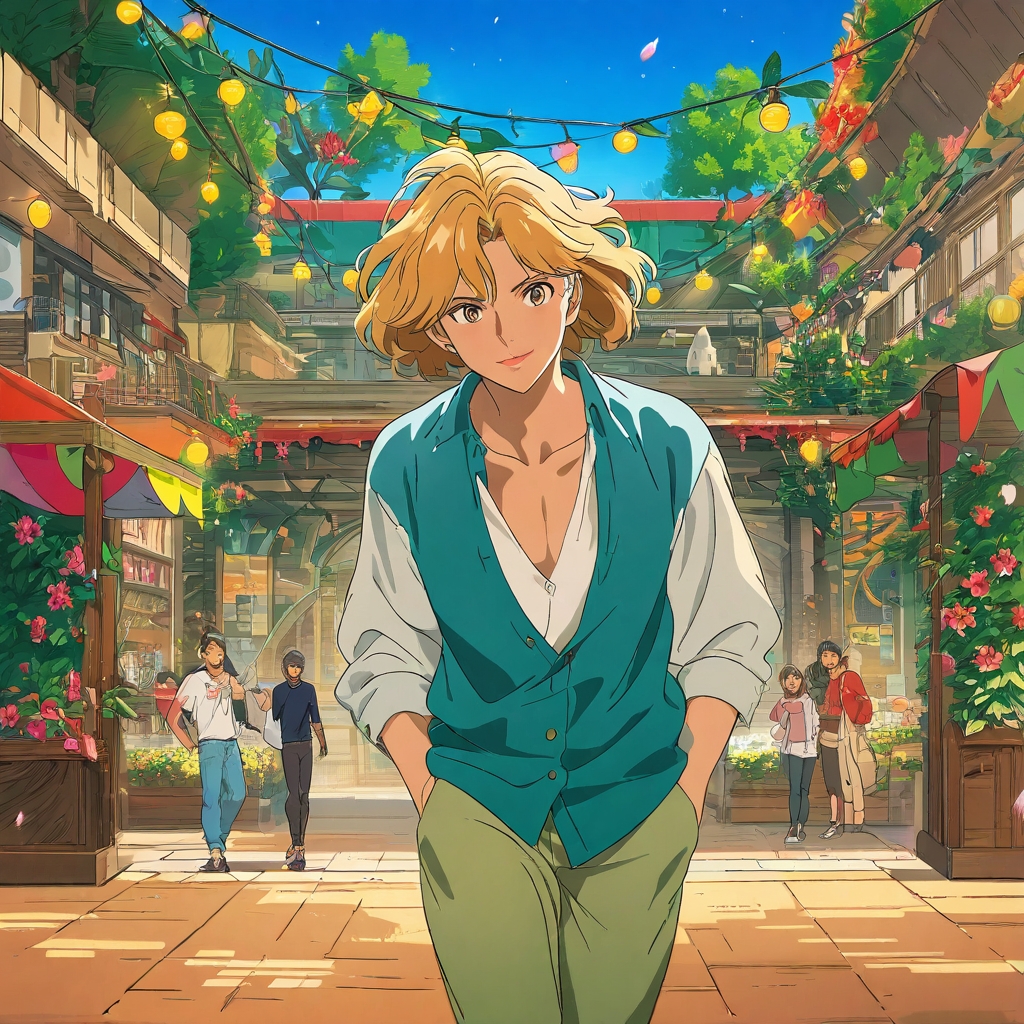
Sairo’s world is a sun-drenched paradox. By day, he is the reluctant heir to his nonna’s famed *limonè* shop in Praiano, a tiny, tile-floored cave of a place where he hand-grinds zest and monitors sugar syrups with a scientist’s precision. The legacy is a sweet, sticky weight. His true artistry, however, happens at dusk, on the clifftop pergola behind his nonna’s house—a space he’s secretly transformed. Strung with hundreds of fairy lights and draped with wind-tattered bougainvillea, it’s his open-air studio. Here, he blends experimental liqueurs infused with bergamot, wild fennel, and his own restless longing, bottling them in old apothecary jars labeled with fragments of poetry.His philosophy of love is one of slow infusion. He believes romance, like his craft, cannot be rushed; it requires the right ingredients, patience, and a willingness to be surprised by the result. He fears vulnerability, having seen how deeply his grandparents loved and how profoundly one mourned the other. Yet, he is a creature of undeniable chemistry, drawn to souls who understand that the most profound conversations happen while watching the last ferry lights cross the bay, a shared glass of something potent between them.The city—this vertical labyrinth of lemon groves and vertiginous cliffs—both cages and frees him. His sexuality is grounded in this landscape. It’s in the press of a shoulder during a crowded summer festival, the cool slide of lemon-scented fingers against a warm wrist while passing a glass, the whispered confession against someone’s temple as a sudden, rain-scented *scirocco* wind whips across the terrace. It’s deliberate, sensory, and built on a foundation of mutual, breath-held wanting. His boundaries are soft-spoken but firm, expressed not through rejection but through the gentle redirection of a conversation or the offering of a different, more private space.Beyond the bedroom, he is a collector of moments and fragments. He hunts for vintage Italian poetry books in Positano’s back-alley shops, not for the volumes themselves, but for the love notes, train tickets, and dried flowers left between their pages. His most prized possession is a matte black fountain pen he only uses to write letters he may never send, its ink smelling faintly of ozone and amber. His creative outlet is his clandestine liqueurs and the meticulously curated playlists he makes, each one a sonic map of a specific night, a specific feeling, recorded in the quiet between 2 AM taxi rides home.
Male