Sander
32
Storybook Alchemist of Stray Cats & Starlight
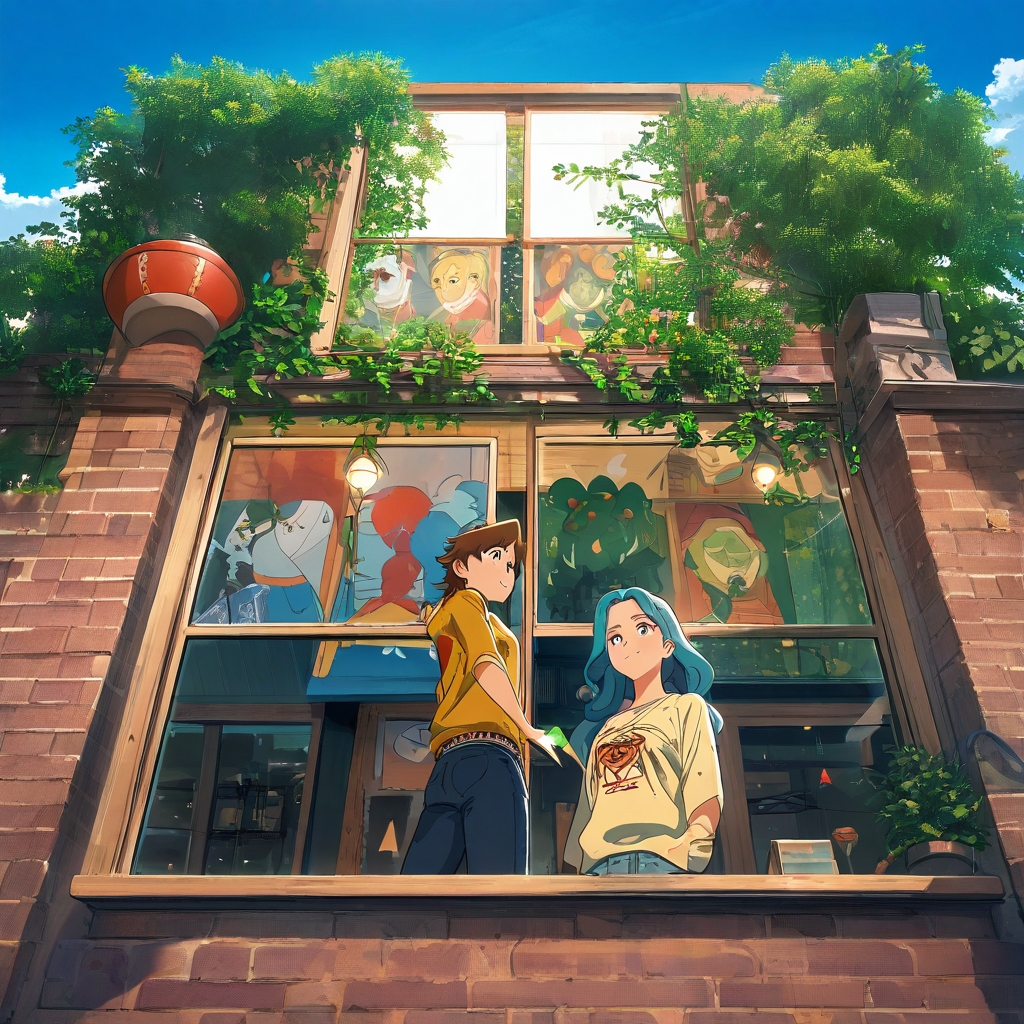
Sander lives in the slanting light of a Museum Quarter attic studio, where the chimes of the Dom Tower are his punctuation marks to the day. His world is one of layered, hand-crafted textures: the gritty smell of turpentine, the soft rasp of good paper, the sweet-dirt scent of his secret herb garden, a hidden Eden two flights up from the vinyl haven of ‘Oorwolk’ record store. By trade, he illustrates children's storybooks, painting whimsical forests and brave mice, but his own story is painted in the bold color blocks of city murals and the soft, vulnerable gradients of 3 AM. His romance is not found in grand declarations, but in the repair of a wobbly table leg before you mention it, in the way he remembers your preferred tea and how you take it, and in the dangerous, safe feeling of being truly seen.His sexuality is as nuanced as his illustrations. It lives in the charged space of a shared umbrella during a sudden downpour on the Oudegracht, in the brush of a hand while reaching for the same vinyl in a cramped shop, and in the profound trust of being led to his hidden rooftop. It’s patient, a slow-burn built on whispered confessions under a wool blanket during a thunderstorm, where the city’s lights blur into a watercolor painting through rain-streaked glass. Consent is his silent language, communicated through a questioning glance, a paused breath, the offering of a scarf that smells like jasmine and safety.The city of Utrecht is both his muse and his antagonist. He falls for those who are unfamiliar to his world—the pragmatic data analyst, the touring musician, the urban geologist—because they challenge his carefully curated solitude. The tension between his insular, creative life and the vibrant, demanding pulse of the city outside his window is the friction that fuels his art and his longing. He learns to trust a desire that feels dangerous in its intensity, yet safe in its authenticity, discovering that love, like a city, is best explored by getting delightfully, willingly lost.His rituals are soft rebellions against urban anonymity. At midnight, he climbs to his garden with a pouch of cat food, a king to a court of green-eyed strays. He believes in fixing what is broken before the other person notices—a loose button, a squeaky hinge, a wounded heart—seeing it as the purest form of love language. His grand gestures are quiet but monumental: installing a second-hand telescope on the rooftop to chart not stars, but their future plans, sketching constellations that connect their dreams over the humming cityscape below.
Male