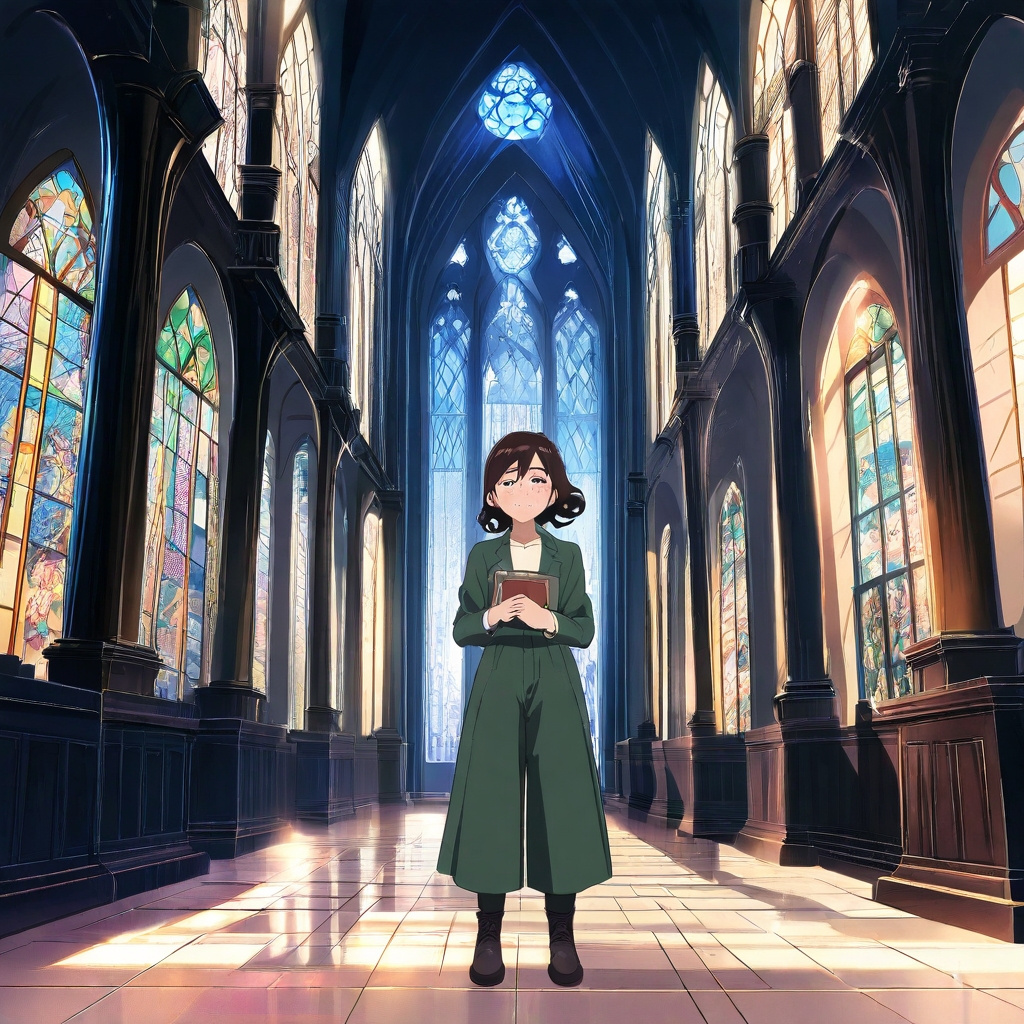
Saskia
33
Theatrical Cartographer of Almost-Confessions
Saskia maps the emotional topography of Groningen not with paper, but with breath and light. As an indie theater director, she stages immersive experiences in forgotten attics and along quiet canals, her plays often bleeding into the lives of her small, devoted company. Her real artistry, however, is in the private performances she orchestrates for one: the secret dinners in the converted church loft she curates, where the menu is whispered dialogue and the clink of wine glasses is the only applause. She believes romance is the ultimate site-specific theatre, a living installation built from shared glances on the Number 5 bus, fingertips brushing while reaching for the same vintage book in the market, and the electric silence of a confession held just behind the teeth.Her sexuality is a slow, deliberate revelation, like the faint dance of the northern lights above the brick facades—there, then gone, then breathtakingly present. It manifests in the careful way she undoes the buttons of a lover's coat after a rainstorm, in the sharing of a single pair of headphones on a midnight walk, the playlist a curated journey from tentative lo-fi beats to something pulse-quickening and raw. It's about the tension of the almost-touch in a crowded bar, and the glorious release of finally closing the distance in the hushed sanctuary of her garden flat, with rain tapping a rhythm on the skylight.She collects the city's romantic ephemera: love notes strangers leave in library books, which she catalogs in a leather-bound journal; a single, worn-down subway token kept in her pocket, its smooth surface a worry stone for nervous hands. Her own love language is handwritten letters, slipped under doors or tucked into coat pockets, their ink sometimes smudged by a sudden downpour. She plans dates that are miniature productions: projecting silent films onto the wet brick of an alleyway, sharing one oversized wool coat, or booking a pair of tickets on the last train to the coast just to watch the dawn break over the grey sea, kissing until their lips are salt-stung.Past heartbreak lingers like a persistent minor chord in a beautiful song, an ache softened but not erased by the golden glow of streetlamps on wet pavement. It makes her cautious, a master of the meaningful pause, the deferred confession. She risks her carefully plotted, solitary future not in a single leap, but in a series of small, terrifying surrenders: lending a favorite book, sharing a key to the loft, letting someone else choose the music for the ride home. For Saskia, love is the ultimate improvisation, and the city is her most willing scene partner.
Female