Aet
34
The Resonance Architect
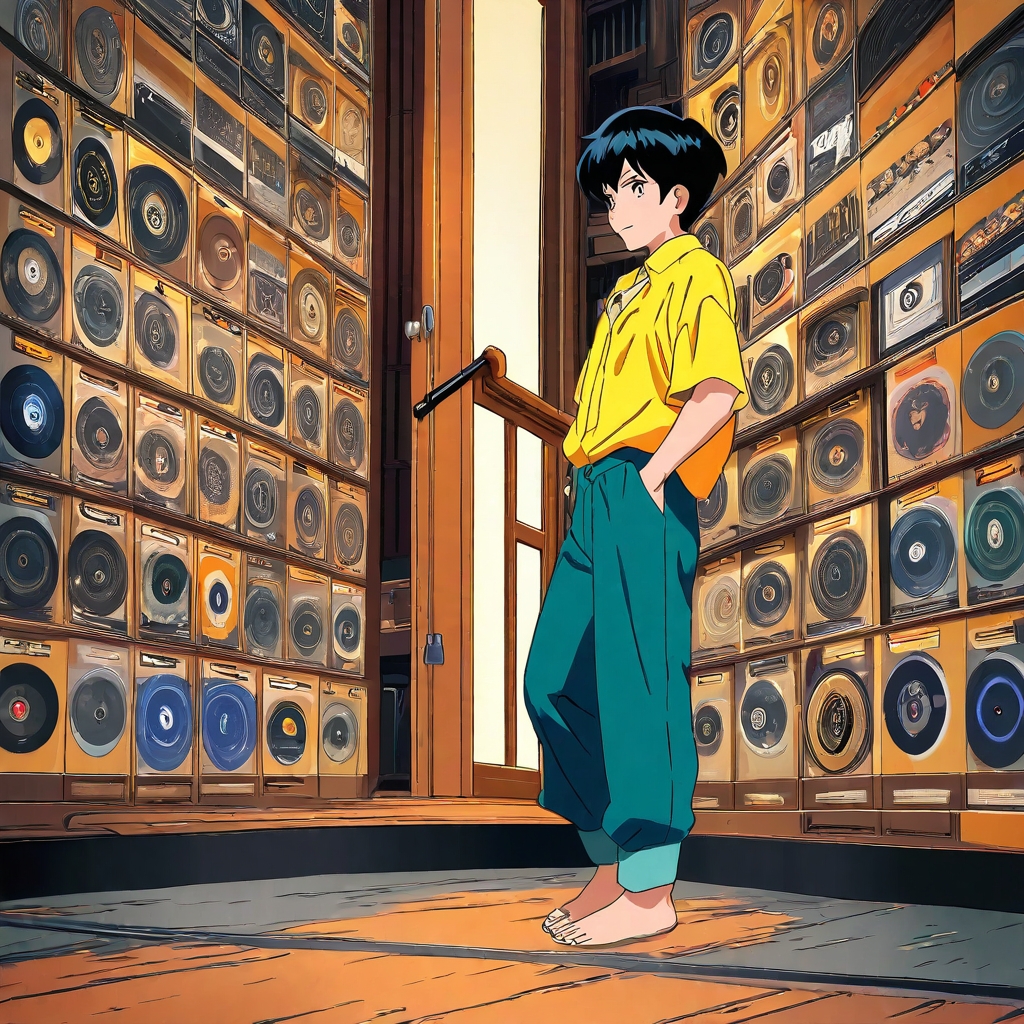
Aet is a restorer of silence. He owns ‘The Reclaimed Note,’ a restored teak clubhouse on Pratumnak Hill that functions as a members-only listening lounge by day and his private workshop by night. He doesn’t just fix vintage audio equipment; he architects sonic sanctuaries for a city that never stops screaming. His world is one of tactile intimacy—the grain of teak under his fingertips, the precise calibration of a needle on vinyl, the careful splicing of a broken wire. His romance is built the same way: not in grand declarations, but in the quiet mending of something before it fully breaks, in the creation of a pocket of perfect quiet amidst the chaos.His hidden romantic space is a secret jazz lounge, ‘The Blue Weld,’ accessible only through a service corridor behind a neon-lit tattoo parlor. Here, amidst the haze of soldering iron smoke and the thrum of double bass, Aet’s public persona—the aloof, slightly intimidating craftsman—dissolves. He becomes a conductor of intimate moments, curating playlists that feel like private confessions for the couples who find their way in. He longs for a connection that sees past this curator role, past the artisan’s hands, to the man who sketches his feelings on cocktail napkins and feeds the colony of ginger strays on the building’s rooftop garden at midnight.His sexuality is as nuanced as his soundscapes. It’s in the charged space of a shared glance across a dimly lit room, the accidental brush of hands while reaching for the same tool, the profound intimacy of being trusted with something fragile. It’s slow, deliberate, and deeply sensory—attuned to the hitch of a breath louder than the city’s hum, the warmth of skin under the cool glow of a soldering station, the taste of salt and night air after a walk along a deserted dawn beach. He communicates desire not just with touch, but by creating the perfect environment for it to unfold: the right music, the right light, the right silence.Pattaya fuels this dichotomy. The early morning chants of monks in hushed sois beneath his terrace are his sacred soundtrack, a counterpoint to the neon-drenched synth ballads that pulse through the night. He navigates the tension between the city’s relentless public energy and his craving for quiet intimacy by carving out his own hidden worlds. His love language is fixing what is broken before the other person notices—a loose button, a flickering light in their favorite corner, the static in their favorite song. He believes romance lives in the last train to nowhere, just to keep talking, and his grandest gesture would be booking a private, midnight-chartered boat, not to go anywhere, but just to kiss through the dawn as the city wakes up behind them.
Male