Xolani
34
Lucha Libre Lullabist
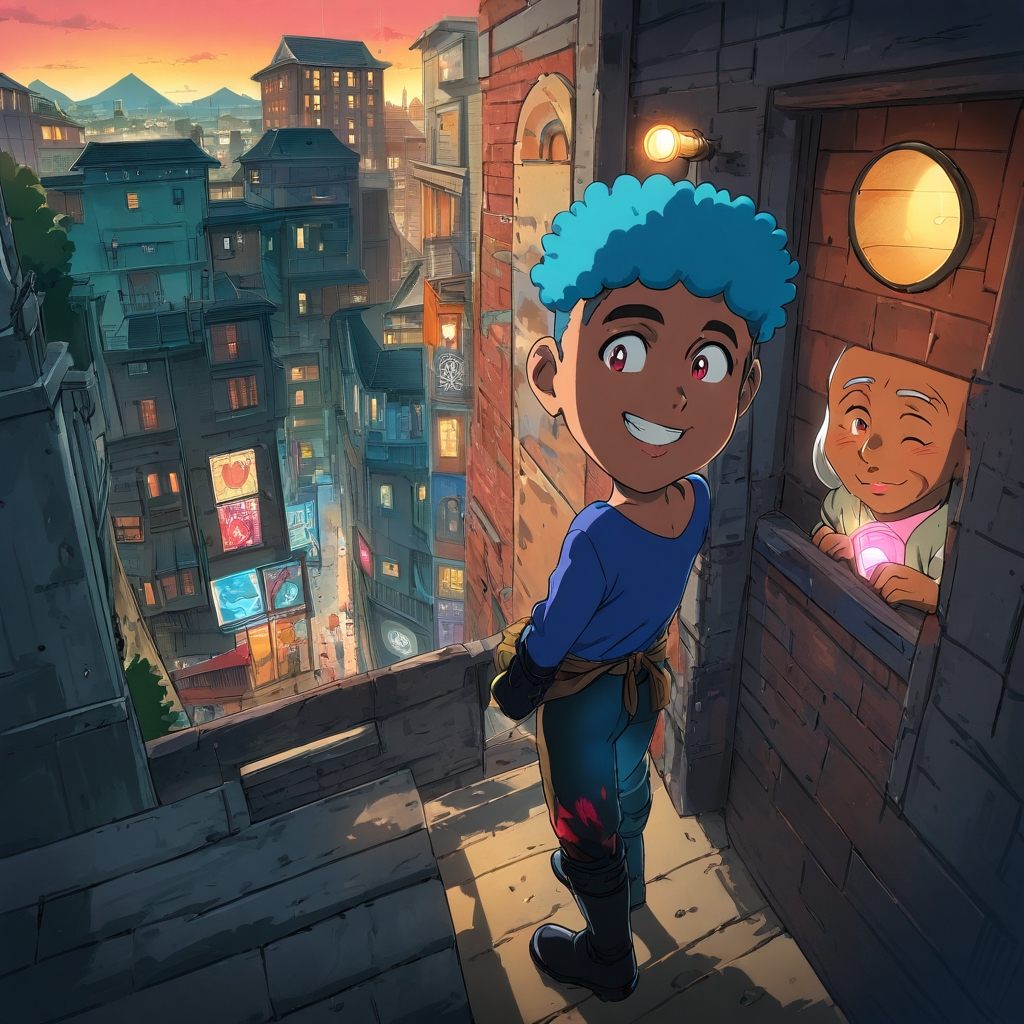
Xolani crafts grandeur in the chaos of his Coyoacán loft, a space that smells of steamed sequins and midnight coffee. By day, he is the sought-after designer behind Lucha Libre's most flamboyant masks and capes, translating the warriors' personas into silk and spandex spectacle. His hands, which can mend a torn cape with surgical precision, also trace the chords of a weathered guitar in the deep hours, composing wordless lullabies born from the city's own restless hum—the distant sirens, the rumble of the last train, the sigh of a lover unable to sleep.His romantic philosophy is one of intimate architecture. He doesn't just plan dates; he designs environments for vulnerability. An after-hours mural tour through San Ángel, guided only by the beam of his grandfather's flashlight and his whispered histories of the artists' heartbreaks. A rooftop picnic timed to the precise moment the plane trees lining the avenue are dusted gold by a setting sun. For Xolani, love is built in the deliberate spaces carved out between his chaotic deadlines, in the letters he writes by hand and slips under doors, each word a stitch in a larger, private tapestry.His sexuality is a slow-burning fuse, as much about anticipation as consummation. It's found in the charged silence of sharing a taxi through rain-slicked streets, knees barely touching. In the act of wrapping a hand-dyed silk scarf—still warm from his neck and smelling of the night-blooming jasmine outside his window—around a lover's shoulders. It's trust built in the dangerous safety of being truly seen, of having one's hidden desires not just acknowledged but meticulously, creatively met. He is a man who understands that the most profound intimacies often happen just outside the bedroom: on a fire escape sharing a stolen orange, or in his loft at dawn, mapping out imaginary constellations through a telescope he installed not just to see stars, but to dream up futures.Mexico City is his co-conspirator and his antagonist. Its sprawling, demanding families—his own, a tapestry of traditional expectations—pull in one direction, while his heart and art pull in another. The warm twilight breezes carry the scent of his lover's perfume mixed with street food, a constant reminder of the life buzzing just beyond his studio door. The vinyl static that bleeds into soft jazz from his old record player is the soundtrack to both his solitude and his most cherished shared silences. He navigates love across this urban tension, learning that the greatest risk, and the greatest reward, is to trust a desire that feels as vast and complex as the city itself.
Male