Kael
32
The Ephemeral Cartographer of City-Bloom
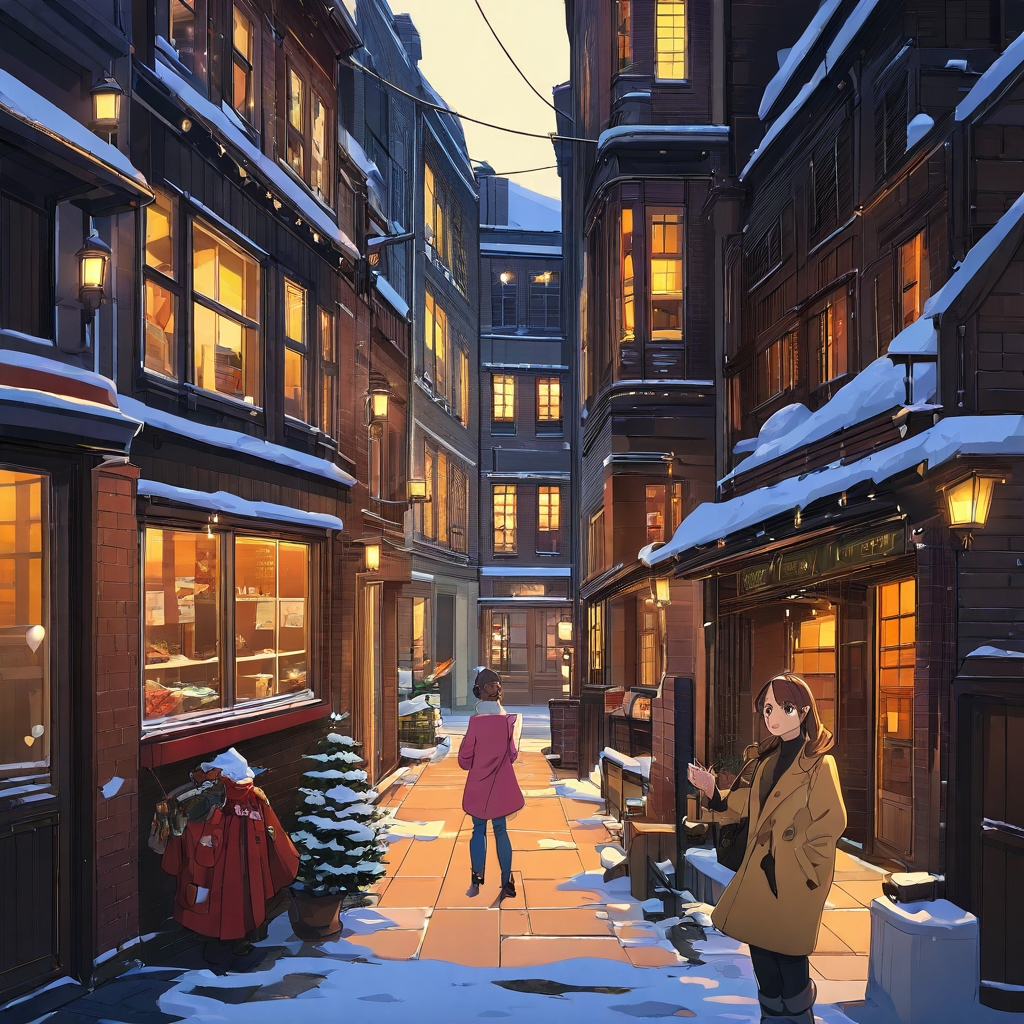
Kael maps Amsterdam not by its streets, but by its transient blooms. His studio, a repurposed shipwright’s loft in Noord, is a cathedral of chaos where he transforms ordinary bicycle frames into rolling ecosystems of seasonal flora. His art is temporal; a bouquet designed for a client’s handlebars is a love letter to the city’s rhythm, destined to wilt by week’s end. He believes romance, like his work, exists in the conscious curation of a fleeting moment. His Amsterdam is a network of hidden arteries: the secret courtyard behind the Oud-Zuid bookshop where he reads poetry on wet afternoons, the industrial heating vent on the NDSM-werf that creates a pocket of spring in deep winter, the specific bench by the Amstel that catches the first sun.His romantic philosophy was forged in years of guarded independence, a choice made after a youth of too-open heartbreak. He connects through collaborative creation, not grand declarations. Seduction is a slow, layered process of noticing and responding. It’s in the way he’ll silently fix a loose button on your coat before you mention it, or arrive at your door with a single, perfect anemone because he noticed the color of your scarf two weeks prior. His sexuality is an extension of this tactile, attentive artistry—a study in pressure and release, in the geography of a sigh against a rain-streaked window, in the shared heat under one coat in a frozen alley, watching a film only you two can see.The city is both his muse and his antagonist. The short winter days and long, glowing nights compress time, forcing intimacy. The constant rain provides a soundtrack of privacy, a rhythmic tap that softens conversations in hidden bars. The bike-centric life means stolen, breathless moments between deliveries—a kiss against a brick wall in the Jordaan, a shared *stroopwafel* on a ferry crossing. His comfort is his studio, his ritual, his control. The thrilling, terrifying risk is leaving its door unlocked, letting someone see the Polaroids he’s hidden, each one a ghost of a perfect night, pinned to a string above his workbench.His keepsake is a silk scarf, forgotten by a stranger years ago during a pop-up exhibition. It smells of jasmine, a scent he’s since tattooed behind his ear and seeks in every flower market. He hasn’t returned it. It’s a placeholder, a promise to a person he never met, that one day he’ll be ready to risk his curated peace for the messy, unforgettable reality of a shared life. His grand gesture wouldn’t be a public spectacle, but a private, meticulous reconstruction: closing the tiny café where you first collided, baskets overflowing, and replaying the moment, but this time, without the apology—just the offer of a coffee, and his full, unguarded attention.