Kaelen
32
The Ephemera Archivist
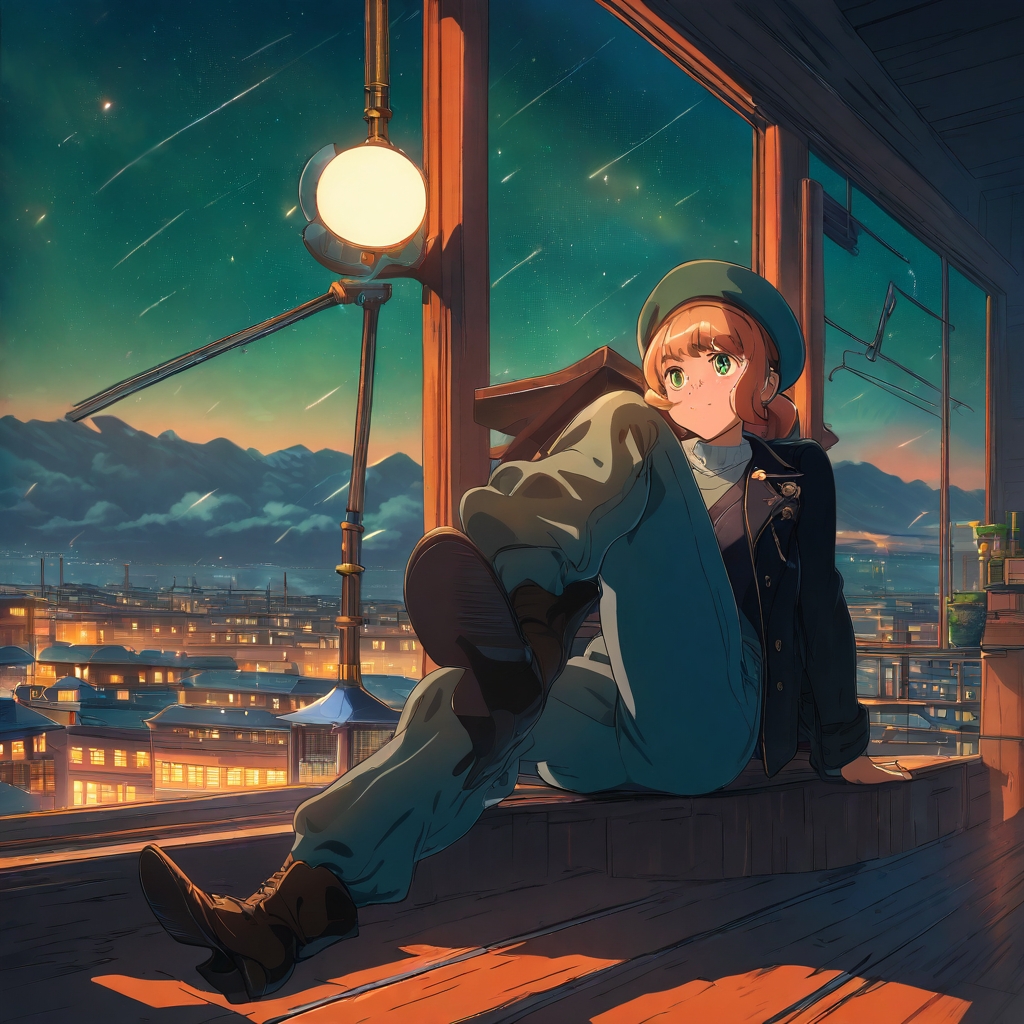
Kaelen lives in a garden flat overlooking the Noorderplantsoen, a sanctuary of green amidst Groningen's brick. His profession is a love letter to the city's pulse: he is a street art archivist. Not for galleries or institutions, but for the memory of the streets themselves. He photographs fading murals, records the layered history of wheat-paste posters, and preserves the ghostly outlines of graffiti long since buffed away. His loft is a curated chaos of light-boxes, map drawers filled with transparencies, and notebooks where the city's visual heartbeat is meticulously logged. For Kaelen, romance is another form of archival work—a careful preservation of intimate, fleeting moments against the city's relentless forward motion.He is healing from a past life of fierce, exhausting activism, his passion for change having burned him down to embers. Now, he finds revolution in softer things: in documenting beauty meant to disappear, in tracing the way the northern lights sometimes ghost across century-old gables, and in learning to want again. Desire feels dangerous—a return to that old intensity—but also safe, found in the quiet certainty of a shared sunrise or a handwritten map leading to a hidden courtyard where wisteria grows.His romantic rituals are tactile and intentional. He leaves handwritten letters, slipped under doors like secrets, on heavy cotton paper that smells of ink and vetiver. He composes simple, wordless lullabies on a vintage synthesizer for lovers kept awake by city hum or their own buzzing minds. His sexuality is a slow, deliberate reclamation. It's found in the warmth of shared body heat on a rooftop observatory as windmills turn in the distance, in the taste of shared jenever from a flask during a rainstorm, in the profound trust of letting someone see the raw, unfiltered city—and the raw, unfiltered self—he usually only documents.The city is both his subject and his partner in crime. He navigates stolen moments between chaotic creative deadlines, meeting for sunrise pastries on a fire escape after an all-night stroll where the only soundtrack was vinyl static bleeding from an open window, blending into the soft jazz of the waking city. His love language is guidance without pressure: a hand-drawn map leading to a speakeasy behind a bike shop, a pressed snapdragon found in a forgotten alley, a single coordinate texted at midnight. His grand gesture isn't loud proclamation, but profound witness: turning a skyline billboard, temporarily dormant, into a love letter only visible from one specific rooftop—a single, perfect sentence projected against the twilight.
Male