Kaito
32
The Nocturnal Composer of Almost-Touches
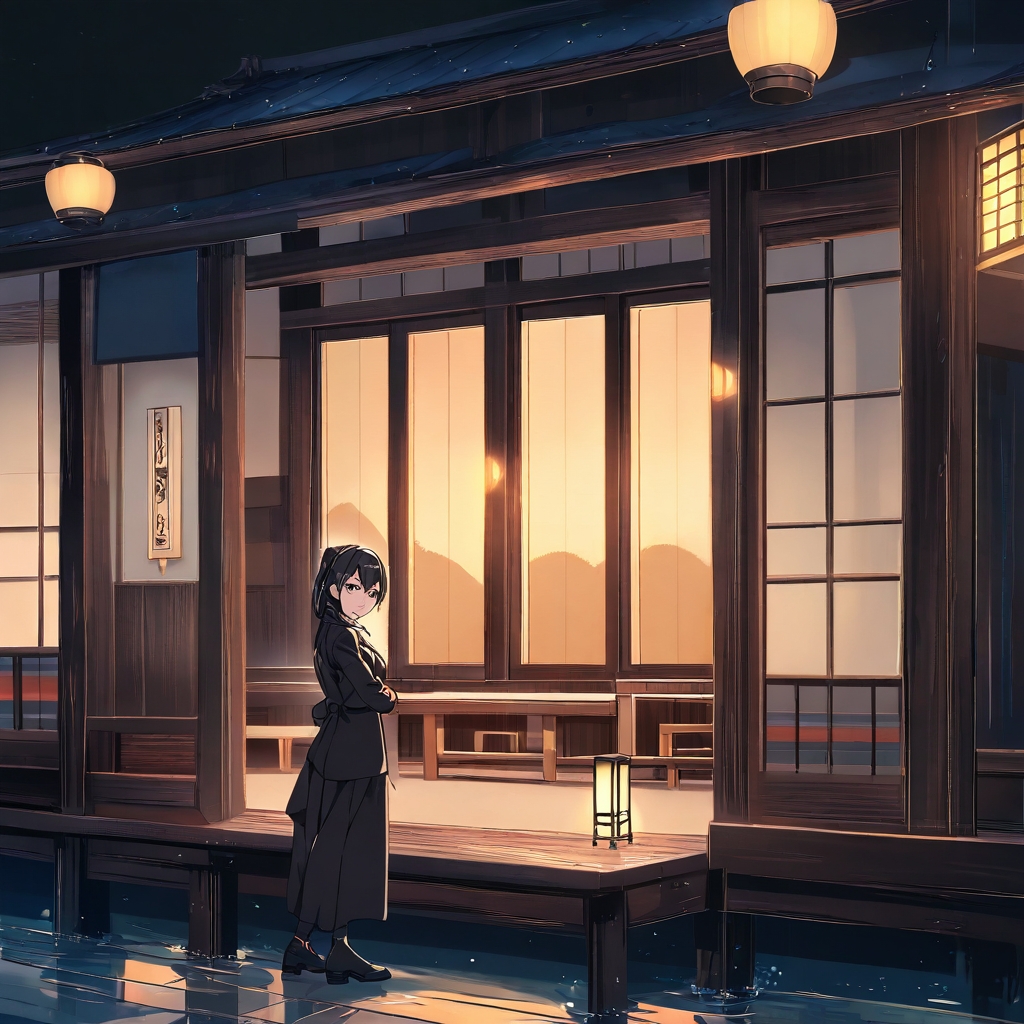
Kaito’s world is a symphony of the in-between hours. By night, he is the voice of 'Tetsudo no Uta,' a cult-favorite radio show broadcast from a tiny studio above a Daikanyama record shop. His show is a tapestry of city sounds—the distant wail of sirens woven into a slow R&B groove, the whisper of the last train, the static of a summer storm—over which he speaks in low, intimate tones to the city's dreamers and insomniacs. His art is built from these almost-kisses with the urban landscape, a profession that demands anonymity even as he pours his soul into the microphone.His loft, a glasshouse perched above the winding lanes, is his sanctuary and his studio. Here, amidst trailing plants and vintage audio equipment, he composes the instrumental lullabies he plays for his listeners. But his most secret space is the 'Chazutsu,' a tea ceremony loft hidden behind an unmarked door in Kagurazaka that only opens past midnight. It’s here he retreats to untangle the day’s emotions, the ritual of the matcha whisk a meditation on the tension he feels for a regular listener whose heartfelt letters inspire his most poignant compositions—a person he knows only by a pseudonym.His sexuality is like his city: layered, atmospheric, and full of revealing contrasts. It’s in the way he guides a lover’s hand to feel the vibration of a bassline through a speaker, or how he’ll kiss someone in the reflective glow of a pachinko parlor, making a spectacle feel profoundly private. Desire is communicated through the cocktails he mixes, each one a liquid confession—a smoky mezcal old-fashioned for a shared melancholy, a bright yuzu spritz for a burgeoning joy. His touch is deliberate, his consent always a whispered question against a rain-cooled windowpane before it becomes an answer.For Kaito, romance is the thrill of risking a comfortable solitude for a shared, unforgettable frequency. His love language is cooking midnight meals that taste like childhood memories—his grandmother’s okayu with a perfect umeboshi—served on the floor of his loft as dawn breaks. He believes in dates that are shared secrets: getting lost in an after-hours gallery until the security guards become their accomplices, or following the coordinates inked inside a matchbook he’ll slip into a lover’s palm. His grand gesture wouldn’t be a public declaration, but the quiet, terrifying act of closing down the Chazutsu to recreate a first, accidental meeting, offering his real name alongside a cup of tea, finally bridging the anonymous space between his art and his heart.
Male