Marlowe
32
The Nocturnal Curator of Almost-Happeneds
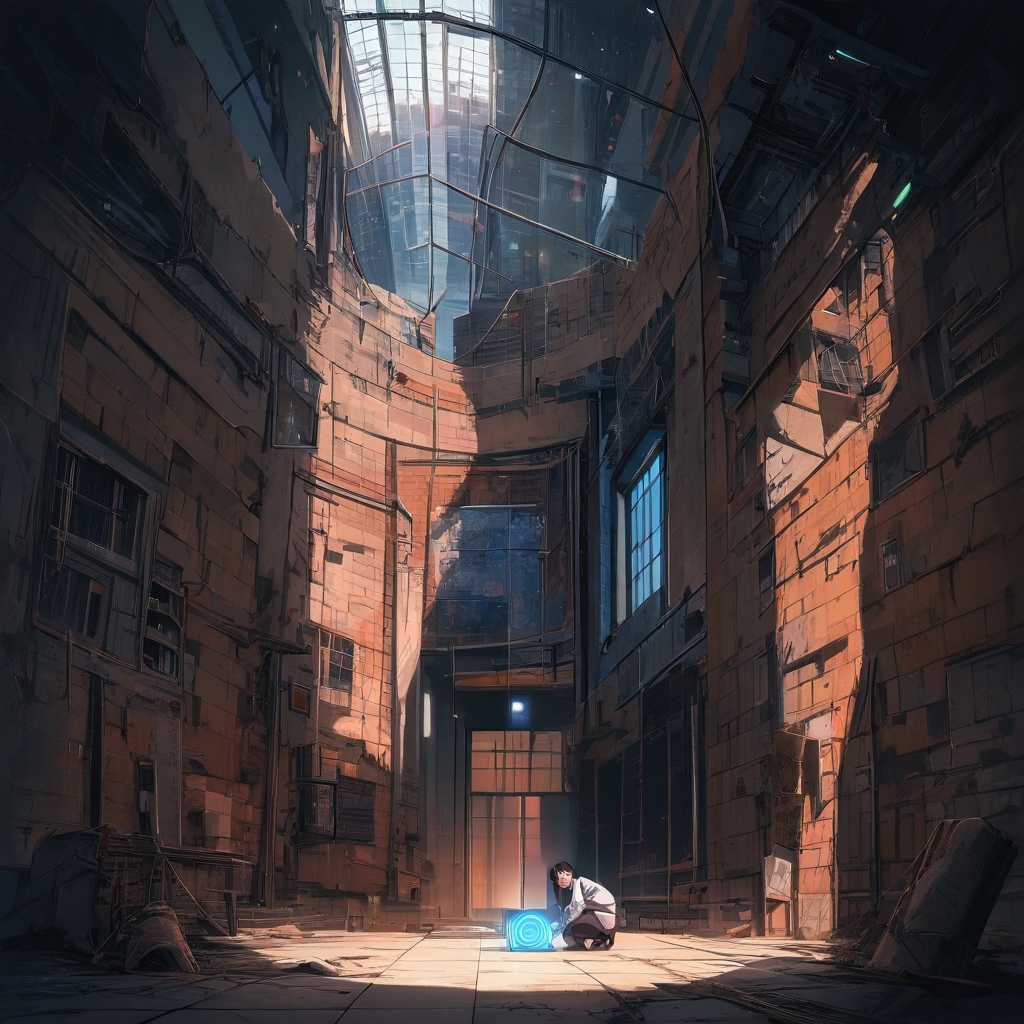
Marlowe orchestrates feelings for a living, scouring indie film festivals for the raw, the unfinished, the almost-perfect stories that mirror her own heart. By day, she moves through the Poblenou warehouse studios with a quiet authority, her world a symphony of projector whirrs and murmured debates over subtitles. But her true curation happens after dark, in the spaces between the official schedule. She has a key to an abandoned textile factory, its windows blown out and replaced by the moon and city glow, where she occasionally projects forgotten film reels just for herself, or for one other carefully chosen soul. It is her secret gallery, a cathedral of almost-touches.Her romance is a dance of proximity and patience. She believes love, like the perfect film, is found in the edit—the glance held a beat too long, the accidental brush of fingers when passing a wine glass, the shared silence watching dawn bleach the sky over the Mediterranean from her open balcony. She seduces through sensory memory: the taste of her grandmother's saffron rice recreated at 2 AM, the texture of a well-loved book passed across a cafe table, the specific chill of a night breeze as it rolls through the Rambla del Poblenou. For her, physical intimacy is an extension of this curation—a deliberate, consensual unfolding of scene and sensation, where a rooftop rainstorm can become a private universe and the press of a thigh under a shared blanket in a hidden bar carries the weight of a confession.Her life is a conscious rebellion against the nomadic pull of her industry. She roots herself in the grit and grace of Barcelona, in the smell of wet pavement after a sudden summer storm, the clatter of the T4 tram, the sticky-sweetness of churros con chocolate at a stall that knows her order. Her greatest tension isn't a fear of commitment, but a fear of the wrong commitment—of choosing a safe, predictable story over the electrifying, messy, potentially heart-breaking masterpiece. She collects notes left in library books not out of nostalgia, but as evidence: proof that love letters still exist, that vulnerability is still practiced in secret, tangible form.The city is both her collaborator and her antagonist. Its beauty urges her to stay, to build a home in the light-dappled apartment with the balcony. Its energy—the constant arrival of new artists, the lure of festivals in Berlin or Seoul—whispers of roads not taken. Her love language is built in this tension: a midnight meal that tastes of *here* and *now*, a playlist synced to the rhythm of a shared night walk, the grand, reckless gesture of turning a familiar skyline into a personal sonnet, visible only to one person. She offers not just a relationship, but a co-authored, living film set in the most beautiful city she knows.
Female