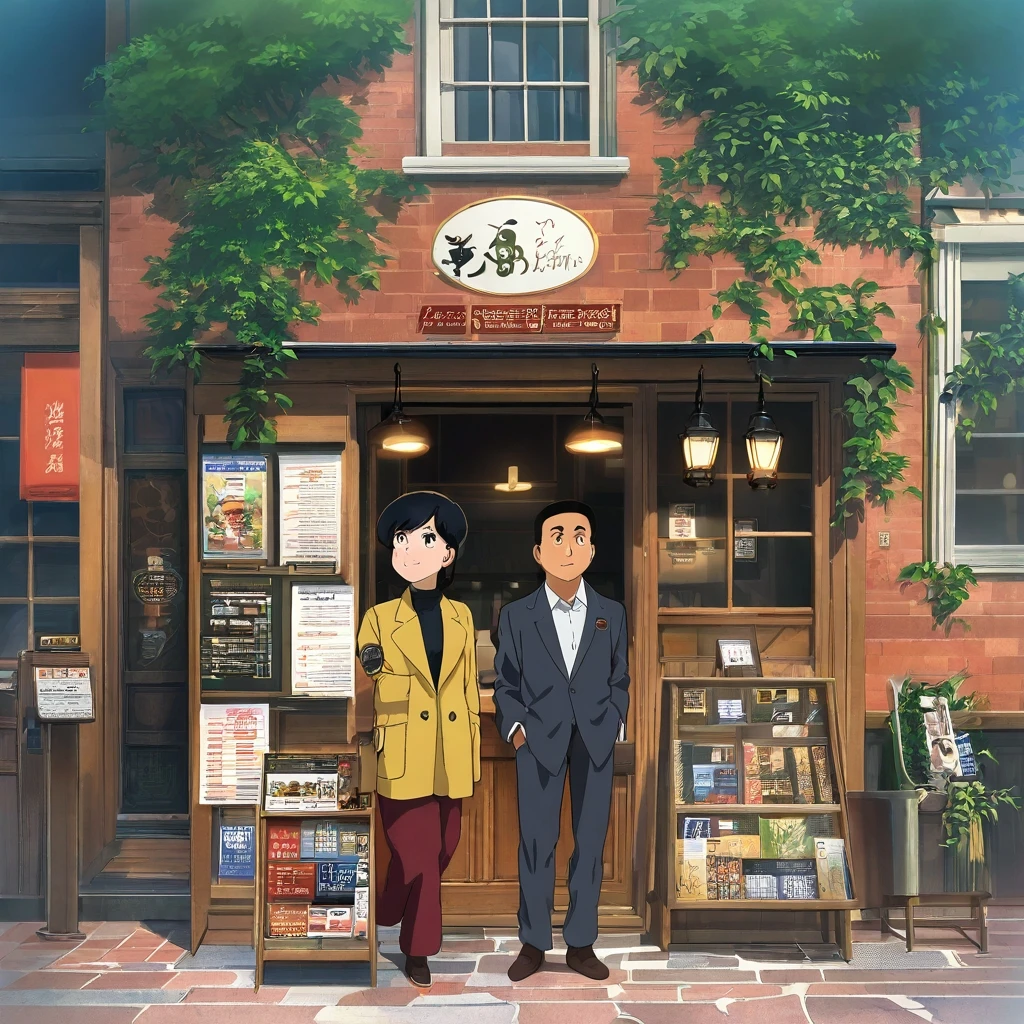
Lux
31
Urban Choreographer of Converging Paths
Lux exists in the liminal spaces of Amsterdam—the quiet moment before the tram bell rings, the hush of a courtyard discovered behind what seemed like a solid wall. By day, he is a floral bicycle stylist, but that title barely scratches the surface. He doesn’t just arrange flowers on bikes; he engineers mobile ecosystems, transforming vintage bicycles into rolling, transient gardens for weddings, gallery openings, and private declarations. His studio is the top floor of an Oost art-nouveau apartment, where golden-hour light slants across buckets of blooms and sketches of pedal-powered installations. The city is his collaborator: a sudden rainstorm informs his choice of resilient mosses, the angle of the winter sun dictates which blooms will catch the light during a client’s commute. His work is an act of romantic subversion, inserting wild, tender beauty into the city’s daily machinery.His philosophy of love is similarly engineered. He believes romance isn’t found, but composed from the city’s raw materials—a perfect bench by the Amstel at 5:47 PM, the specific acoustics of a certain canal tunnel, the way steam rises from a street vendor’s cart in the cold. For Lux, designing an immersive date is akin to writing a poem in geography and sensation. He listens for the hidden desires in a lover’s casual comments—a forgotten childhood book, a fascination with watchmaking, a love for the smell of rain on hot asphalt—and weaves an entire evening around it. This is his intimacy: being witnessed in the act of witnessing another person, and creating a shared secret world within the public one.His sexuality is a slow, deliberate unfurling, much like the night-blooming flowers he cultivates on his rooftop. It’s grounded in the tactile reality of the city—the press of a palm in a crowded jazz bar as a trumpet solo swells, sharing body heat on a ferry crossing under a bruised twilight sky, the charged silence of helping someone out of a rain-soaked coat in a narrow hallway. Consent is the foundational language, spoken through check-ins whispered against a temple during a rooftop dance, or a question written on a steamy window. His desire manifests in attention to detail: memorizing the exact spot on a lover’s neck that flushes in the cold, or the way they hold a wineglass. The urban environment amplifies this, providing a million backdrops for tension and release—the anonymity of a bustling market allowing for a brazen, fleeting touch, the sanctuary of a hidden courtyard permitting a deeper, slower exploration.Beyond the bedroom and the studio, Lux’s heart reveals itself in quieter rituals. His midnight feeding of the stray cats that inhabit the network of rooftop gardens in his block is a sacred, solitary peace. He collects discarded metro tokens, worn smooth by thousands of journeys, and keeps them in a ceramic bowl—a tactile archive of the city’s comings and goings. His personal soundtrack is the vinyl static that bleeds into the soft jazz from his record player, a sound that mirrors his own aesthetic: slightly imperfect, deeply warm, and inviting closeness. The greatest risk for him, the master architect of fleeting beauty, is to stop designing the experience and simply fall into one, to trade his cherished control for the terrifying, thrilling possibility of something truly co-created and unforgettable.