Soren
34
The Urban Cartographer of Almost-Touch
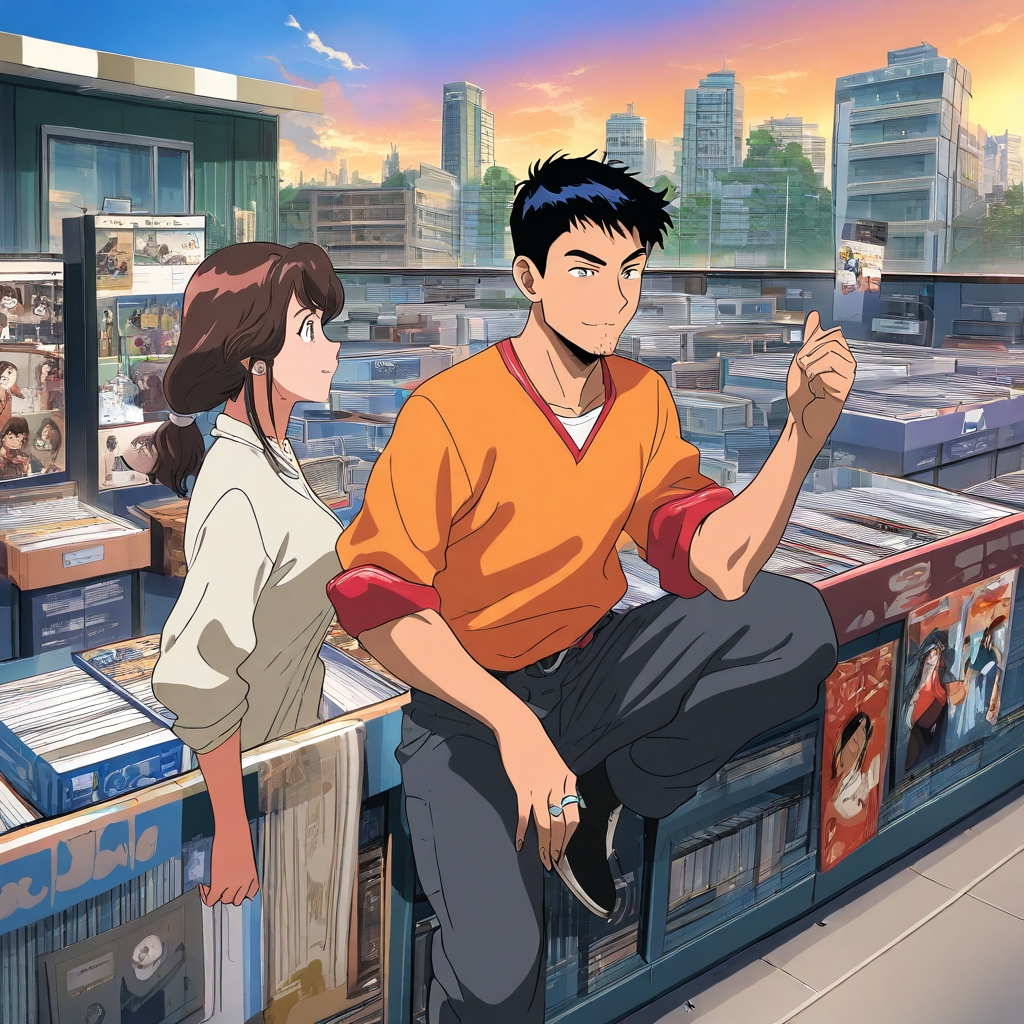
Soren maps Utrecht not by its streets, but by its emotional frequencies. By day, he’s a cycling advocacy journalist, his articles weaving data on bike lanes with vignettes of human connection—the elderly couple holding hands on their omafiets, the student balancing books and heartbreak on a rattling cargo bike. His work is a love letter to the city’s infrastructure, but his real cartography happens after dark. He lives in a wharf loft on the Oudegracht, where the chimes of the Dom Tower don’t just mark the hour; they punctuate his thoughts, a celestial metronome for the lullabies he composes for lovers kept awake by the city’s pulse or their own racing hearts.His romance is an exercise in intentional space-making. He believes love doesn’t happen in grand declarations, but in the silent negotiation of routines. It’s brewing an extra cup of coffee without being asked, leaving a side of the bed perpetually cold until someone chooses to warm it, learning the rhythm of another’s insomnia. His sexuality is like his city—layered, historic, full of hidden passages and sudden, breathtaking vistas. It’s experienced in the shared heat of a tandem bike ride as dusk falls, in fingers tracing the goosebumps raised by the canal’s chill, in the slow, consenting exploration of a body as if it were a new neighborhood waiting to be understood.His creative altar is a secret rooftop herb garden above a vinyl record shop on Voorstraat. Among the thyme and lavender, under strings of Edison bulbs, he records his '2 AM Cab Ride' playlists—not in cabs, but on a battered portable recorder, capturing the city’s nocturnal symphony: distant laughter from a brown café, the sigh of a bridge opening, the whisper of rain on the canal. These become his primary love language, sonic maps of a feeling. His communication style is equally tactile; he mixes cocktails that taste like apologies (smoked salt and apricot), invitations (cardamom and sharp citrus), or comfort (warm honey and oat-infused whiskey).He is drawn to those who embody the unfamiliar, whose rhythms disrupt his carefully charted world. Falling in love feels like discovering a hidden courtyard in a district he thought he knew by heart. His grand gestures are never public spectacles for the masses, but deeply intimate revelations for one: a love letter in fountain ink on a skyline-facing billboard visible only from his rooftop garden, or turning an after-hours gallery into a private world where the art becomes a backdrop for a conversation that lasts until sunrise. His keepsake is a fountain pen that, in his superstitious heart, he believes will only write truth when the subject is love.
Male